
The right work clothes for men do more than just cover you; they communicate professionalism, preparedness, and personal confidence, whether you’re in a boardroom, on a construction site, or working from a home office. Choosing the appropriate attire is a critical decision that impacts first impressions, comfort throughout the day, and even safety, depending on your profession. This comprehensive guide will navigate the complex world of men’s professional and industrial clothing, ensuring you are dressed for success in any work setting.
The modern landscape of work attire is diverse, ranging from highly tailored suits to rugged, high-visibility gear. Understanding your specific industry, environment, and company culture is the first step toward building a functional, stylish, and durable wardrobe. We will explore the three main categories of men’s workwear: Corporate/Business Formal, Business Casual/Smart Casual, and Industrial/Safety-Focused Attire.
****
Regardless of your field, the core principles remain the same: fit, quality, and functionality. An ill-fitting garment diminishes authority and comfort, while prioritizing cheap materials often leads to rapid wear and tear. By investing thoughtfully in your work clothes for men, you invest directly in your productivity and professional image.
Decoding the Professional Dress Codes
Work environments are typically categorized into three main tiers of formality, each requiring a distinct approach to work clothes for men.
Business Formal: The Boardroom Standard
This level demands the highest degree of polish and tailoring. It is primarily reserved for executive roles, finance, law, and high-stakes client-facing positions.
- The Suit: This is the cornerstone. Opt for classic colors like charcoal gray, navy blue, or black in high-quality wool or wool blends. The fit must be impeccable—if the suit isn’t tailored, it won’t look professional.
- The Shirt: Stick to white or light blue, crisp cotton dress shirts. Ensure the collar shape complements your tie knot and face shape. Always iron or steam your shirts meticulously.
- Accessories: A silk tie, dark leather belt matching your shoes, polished dress shoes (oxfords or derbies), and subtle cufflinks are non-negotiable details. A high-quality watch completes the authoritative look.
Business Casual: The Modern Office Standard
Business casual is the most common dress code today, blending professionalism with comfort. This gives men more flexibility while still requiring neatness and intentionality.
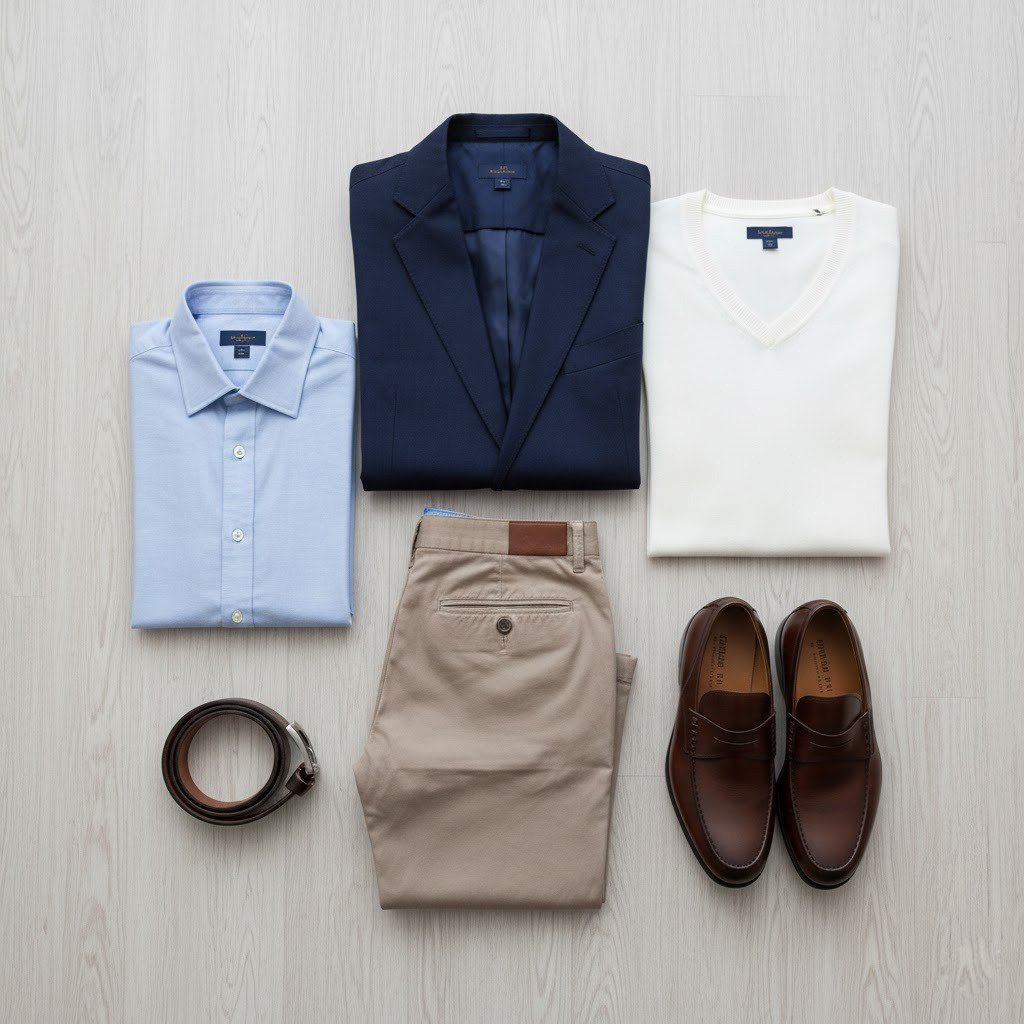
- The Blazer: This is the essential substitute for the suit jacket. Navy, gray, or tan blazers in wool, cotton, or performance blends can be mixed and matched with different trousers.
- Trousers: Replace suit pants with tailored chinos or wool slacks in colors like stone, khaki, or navy. Avoid jeans unless explicitly permitted, and if worn, they should be dark, clean, and un-distressed.
- Shirts and Knitwear: Polo shirts, fitted button-down shirts (without a tie), or fine-gauge knit sweaters (crew neck or V-neck) layered over a shirt are excellent options. Work clothes for men in the business casual space should always look intentional, never sloppy.
Smart Casual: The Creative or Startup Environment
This flexible style emphasizes personal expression while maintaining a professional standard. It’s relaxed but not lazy.
- Elevated Denim: Dark wash, well-fitting jeans are acceptable. Pair them with more formal tops to keep the look balanced.
- Layers: Think structured cardigans, chore jackets, or bomber jackets paired with a quality T-shirt or a simple button-down.
- Footwear: Stylish leather boots, clean leather sneakers, or polished loafers work well. The quality and cleanliness of your footwear are what maintain the “smart” element of the casual dress code.
Industrial and Safety-Focused Work Clothes for Men
For tradesmen, construction workers, engineers, and others whose work involves physical labor or hazardous conditions, work clothes for men must prioritize safety, durability, and compliance.
The Importance of Durability and Function
Industrial workwear is designed to withstand heavy use, abrasion, and harsh environments. Look for features that enhance performance:
- Fabrics: Canvas, heavy-duty cotton duck, and ripstop materials are common. Look for blends with stretch (like spandex or elastane) for added mobility.
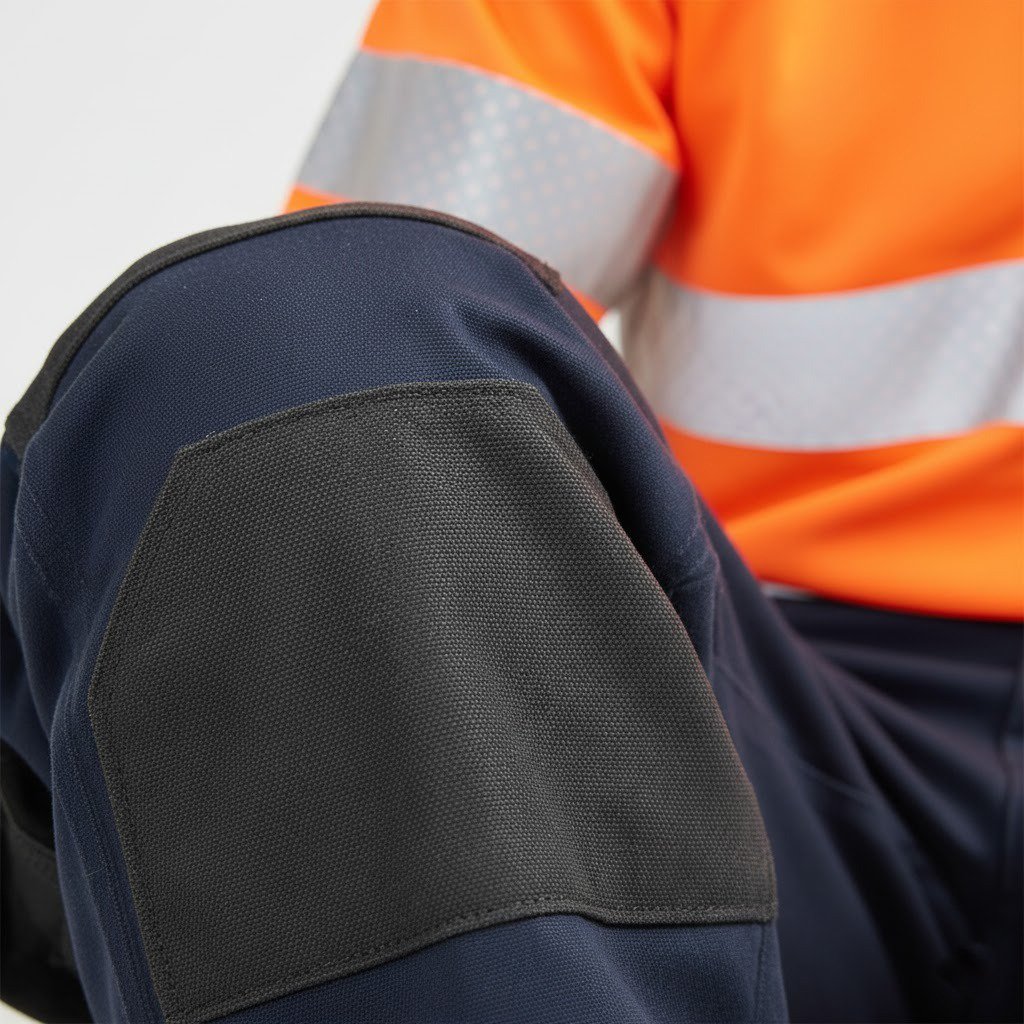
- Reinforcement: Areas like knees, pockets, and seams should be reinforced with double or triple stitching, or materials like Cordura, to prevent wear and tear.
- Pockets: Utility and tool pockets must be strategically placed, secure, and easily accessible.
Safety Compliance and Visibility
In many fields, protective clothing is legally mandated. The right safety gear is a non-negotiable part of the daily work clothes for men.
- High-Visibility (Hi-Vis) Clothing: Jackets, vests, and shirts must meet specific ANSI/ISEA standards, using fluorescent colors and reflective striping for visibility in low light.
- Flame-Resistant (FR) Clothing: Essential for welding, electrical work, and petrochemical industries. These garments are chemically treated or made from inherently FR fibers to self-extinguish when removed from an ignition source.
- Head, Hand, and Foot Protection: Hard hats, safety gloves appropriate for the task (e.g., cut-resistant, impact-resistant), and steel-toed or composite-toed safety boots are standard safety attire.
****
A key element in any professional’s wardrobe, whether corporate or industrial, is the quality of their foundational pieces. For corporate settings, this means investing in high-thread-count shirts and tailored wool trousers. For industrial settings, it means spending more on high-performance safety boots and durable FR-rated outerwear. Investing in quality ensures longevity and continuous protection.
Building a Functional Work Wardrobe: Capsule Collection Tips
Regardless of your industry, a capsule wardrobe approach—a collection of a few essential, versatile items—can simplify mornings and ensure you always look polished.
For Corporate/Business Casual
Focus on interchangeable items in a core palette of neutrals:
- Three Jackets: One navy blazer, one gray blazer, and one seasonal jacket (e.g., tweed for winter or light cotton for summer).
- Five Shirts: Two white, two light blue, one patterned (e.g., subtle check or stripe).
- Three Trousers: One navy, one charcoal, one khaki or stone chino.
- Footwear: One pair of brown leather dress shoes/derbies, one pair of black leather oxfords/loafers.
For Industrial/Trades Professionals
Focus on durability, layering, and compliance:
- Five Work Shirts: Durable cotton or FR shirts in dark or high-visibility colors.
- Three Work Trousers: Reinforced, cargo-style trousers suitable for the environment.
- Layering Pieces: Thermal long-sleeve shirts and durable fleece or insulated mid-layers.
- Outerwear: One heavy-duty, weather-resistant jacket and a high-visibility safety vest/jacket.
- Footwear: Two pairs of high-quality safety boots (one for active use, one for rotation).
Practical Tips for Maintaining Your Professional Edge
The best work clothes for men only look good if they are well-maintained. Proper care extends the life of your garments and keeps your appearance sharp.
The Power of Tailoring
An off-the-rack suit or blazer rarely fits perfectly. Invest in alterations: tailoring the jacket sleeves, cinching the waist, and hemming the trousers to the correct break makes a monumental difference. A $100 jacket that is perfectly tailored looks better than a $1,000 suit that fits poorly.
Rotation and Care
Never wear the same suit or trousers two days in a row; fibers need time to rest and recover their shape. Similarly, always allow leather shoes to dry fully by using cedar shoe trees, which absorb moisture and deodorize the leather. This simple rotation practice significantly extends the life of your clothing.
Simple Maintenance Checklist
Make these habits part of your routine:
- Daily: Hang jackets immediately, empty pockets, brush wool to remove lint.
- Weekly: Polish shoes, iron/steam shirts, check for loose buttons or hanging threads.
- Seasonal: Dry clean suits and blazers only when necessary (not after every wear), and store them in breathable garment bags.
By applying these principles of quality, fit, and intentionality, you ensure your work clothes for men serve as a powerful tool for success. Whether you are leading a presentation or managing a critical industrial project, dressing correctly signals respect for your profession and confidence in your abilities.