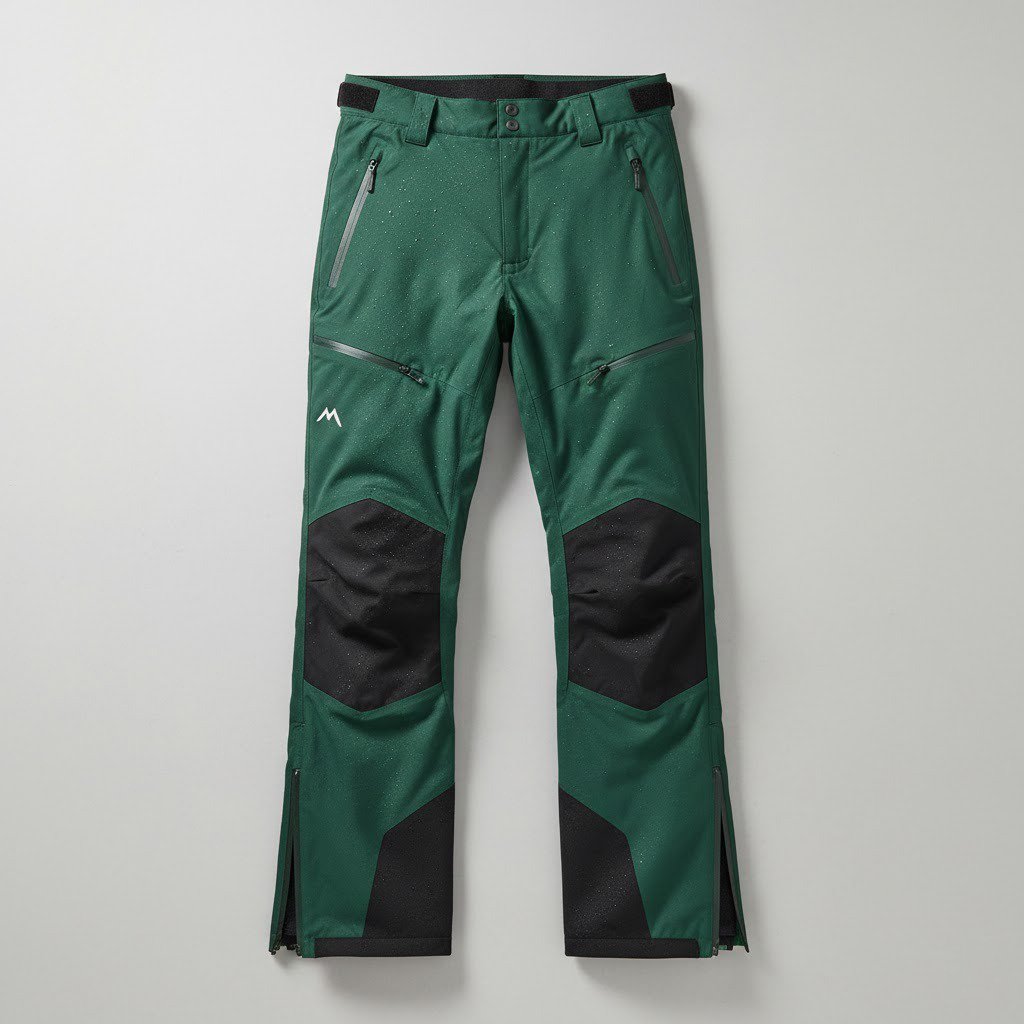

Preparing for a mountain getaway is about more than just booking the lift tickets; it is about mastering your gear to ensure maximum comfort. Choosing the right ski clothes men actually use to survive sub-zero temperatures requires a blend of science, textile technology, and a little bit of personal flair. Whether you are a “blue bird” cruiser or a backcountry explorer, your kit is your first line of defense against the elements.
Table of Contents
- The Science of the Three-Layer System
- Must-Have Features in Ski Clothes Men Love
- Top Outerwear Trends for 2026
- Choosing the Right Materials
- Essential Accessories for Total Warmth
- Maintenance and Care Tips
The Science of the Three-Layer System
Modern ski clothes men rely on a modular approach known as the three-layer system. This strategy allows you to adapt to changing weather conditions by adding or removing pieces throughout the day. Instead of one heavy coat, you use multiple specialized garments to manage moisture and trap heat.
The first layer, or base layer, sits directly against your skin. Its primary job is to wick sweat away so you don’t get a “chilled” feeling during the lift ride back up. Materials like merino wool or high-tech synthetics are the gold standard here because they dry rapidly.
The middle layer provides the actual insulation. This is where you might choose a lightweight down vest or a technical fleece. These garments trap air pockets to keep your core temperature stable even when the wind picks up.
Finally, the outer shell is your shield. This layer must be completely waterproof and windproof. For ski clothes men prioritize in 2026, look for “hardshells” that feature breathable membranes like Gore-Tex or similar proprietary technologies.
Must-Have Features in Ski Clothes Men Love
When shopping for ski clothes men, don’t just look at the colors; look at the technical specs. A high-quality jacket should have a waterproof rating of at least 10,000mm, though 20,000mm is better for heavy snow days. Breathability is equally important to prevent that “plastic bag” feel.
Check for “pit zips” under the arms and thigh vents in the trousers. These allow you to dump heat instantly if you find yourself working hard on a steep mogul run. These small details make a massive difference in your overall comfort.
Pockets are another critical consideration. Look for a dedicated “pass pocket” on the lower sleeve for easy scanning at the lift gates. Internal mesh pockets are also great for storing spare goggles or keeping your phone battery warm against your body.
Modern designs also feature “powder skirts.” This is an internal elasticated waistband that snaps shut to prevent snow from flying up your back if you take a tumble. In the world of ski clothes men, these functional details are what separate the pros from the amateurs.
Top Outerwear Trends for 2026
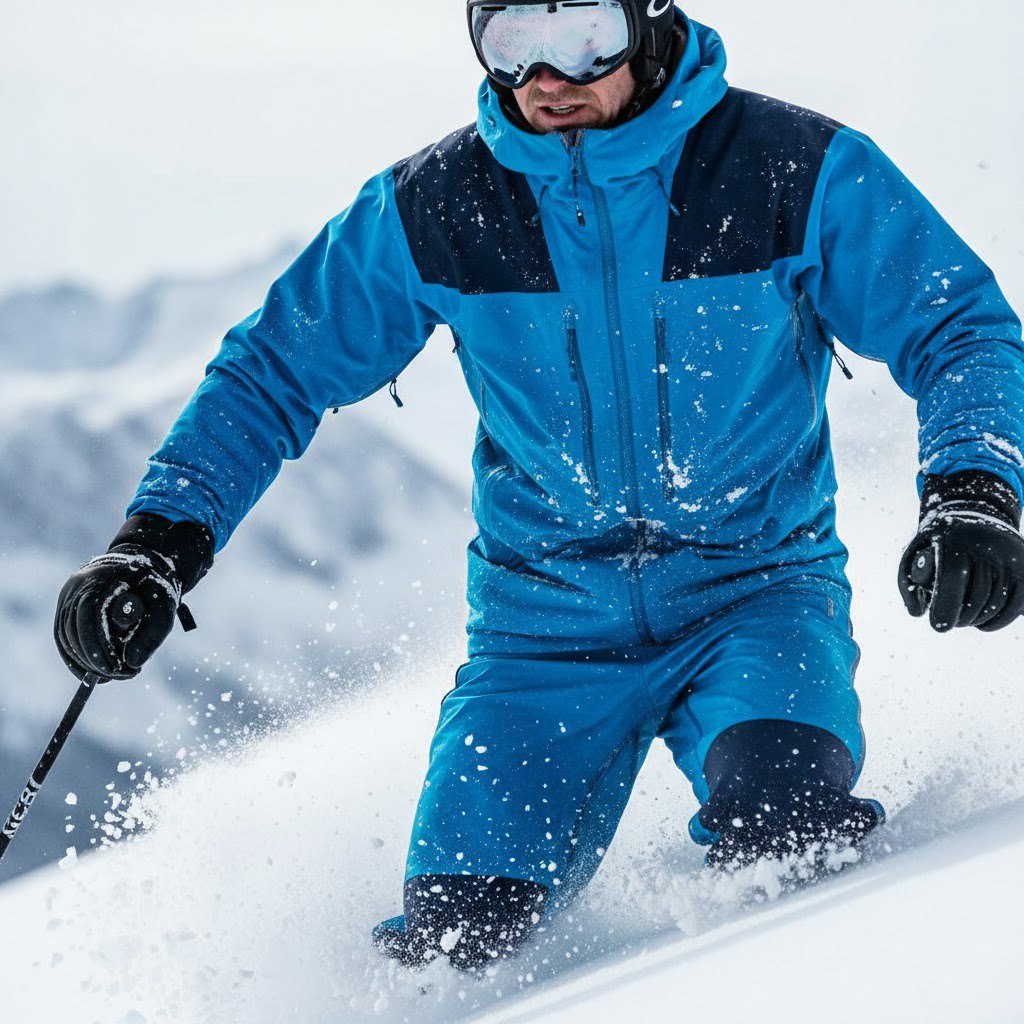
This season, the trend in ski clothes men is shifting toward “crossover” styles. These are pieces that look just as good in the city as they do on the mountain. Expect to see more earth tones like forest green and burnt orange, replacing the neon “80s” palettes of previous years.
Sustainability is also at the forefront of the 2026 market. Many top brands are now using recycled polyester and PFC-free waterproof coatings. Choosing eco-friendly ski clothes men can wear proudly means you are helping protect the very mountains you love to ski.
Anoraks are making a huge comeback this year. These “pull-over” style jackets offer a sleek, streamlined look and often feature large “kangaroo” pockets in the front for easy access. They provide excellent wind protection because they have fewer zippers where cold air can leak in.
Bib pants (or dungarees) are also dominating the slopes. They offer superior protection against deep powder and keep your lower back much warmer than traditional waist-high trousers. Most modern bibs feature stretch panels to ensure your movement isn’t restricted.
Choosing the Right Materials
The materials used in ski clothes men have evolved significantly. While traditional down is still the king of warmth-to-weight ratio, synthetic insulations like PrimaLoft are gaining ground. Synthetics are often preferred because they continue to insulate even if they get wet.
Merino wool remains the champion of base layers. It is naturally odor-resistant, meaning you can wear it for several days of a trip without it smelling. It also regulates temperature remarkably well, keeping you cool when the sun comes out.
For the outer shell, “3-layer” construction is the premium choice. This bonds the outer fabric, the waterproof membrane, and the inner lining into one single, durable piece. It is lighter and more breathable than “2-layer” designs that use a separate hanging mesh liner.
Don’t overlook the importance of “DWR” (Durable Water Repellent) coatings. This is the chemical treatment that causes water to bead up and roll off your jacket. Even the best ski clothes men buy will eventually need a “re-upping” of this coating after a few washes.
Essential Accessories for Total Warmth
No set of ski clothes men wear is complete without the right accessories. Your extremities are the first parts of your body to get cold. Invest in high-quality, insulated leather or synthetic gloves with a waterproof insert.
Ski socks are often misunderstood. Many beginners think thicker is better, but a thin, technical wool sock actually provides better circulation and warmth. Ensure your socks are tall enough to sit above the top of your ski boots to prevent painful rubbing.
A neck gaiter or “buff” is a small but mighty addition to your kit. It seals the gap between your helmet and jacket, preventing “brain freeze” on windy chairlifts. Look for breathable versions that won’t fog up your goggles when you breathe through them.
Finally, your helmet and goggles must integrate seamlessly. This is often called the “gaper gap” – the space between the top of your goggles and the brim of your helmet. A good fit ensures your forehead stays warm and your vision remains crystal clear.
Maintenance and Care Tips
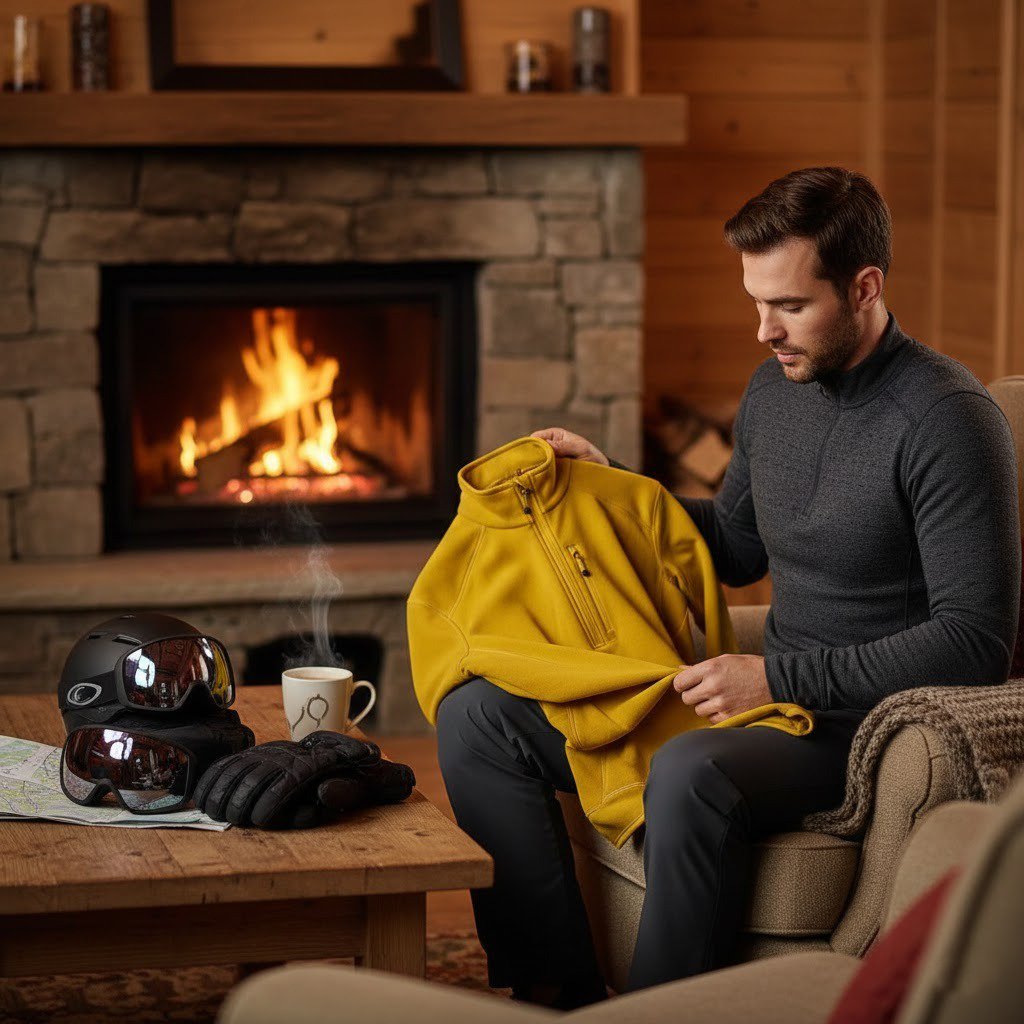
To make your ski clothes men last for years, you must wash them correctly. Never use regular laundry detergent or fabric softener on technical outerwear. These products can clog the pores of the waterproof membrane and strip away the DWR coating.
Instead, use a specialized “tech wash” designed for waterproof fabrics. Always air dry your gear or use a very low heat setting if the care label allows it. Applying a bit of heat can actually help “reactivate” the water-repellent coating.
Store your gear in a cool, dry place during the off-season. Avoid compressing your down jackets into small bags for long periods, as this can damage the “loft” and reduce their insulating power. Taking care of your kit ensures it will take care of you.
Investing in high-quality gear might seem expensive upfront, but it pays off in durability and performance. A well-maintained set of ski clothes men can easily last five to ten seasons of regular use, making it a smart long-term investment for any winter sports enthusiast.