

Shin pain can quickly turn an active lifestyle into a frustrating cycle of discomfort and missed workouts. Whether you’re a runner, walker, or fitness enthusiast, shin splints can interrupt progress and motivation. That’s where shin splints support socks come in, offering a simple yet highly effective solution for pain relief and recovery.
Designed with targeted compression, these socks help reduce strain on the lower legs while promoting better circulation. For many athletes, they’ve become an essential part of training and recovery routines.
Visual Insight: Shin Splints Support Socks in Real Use
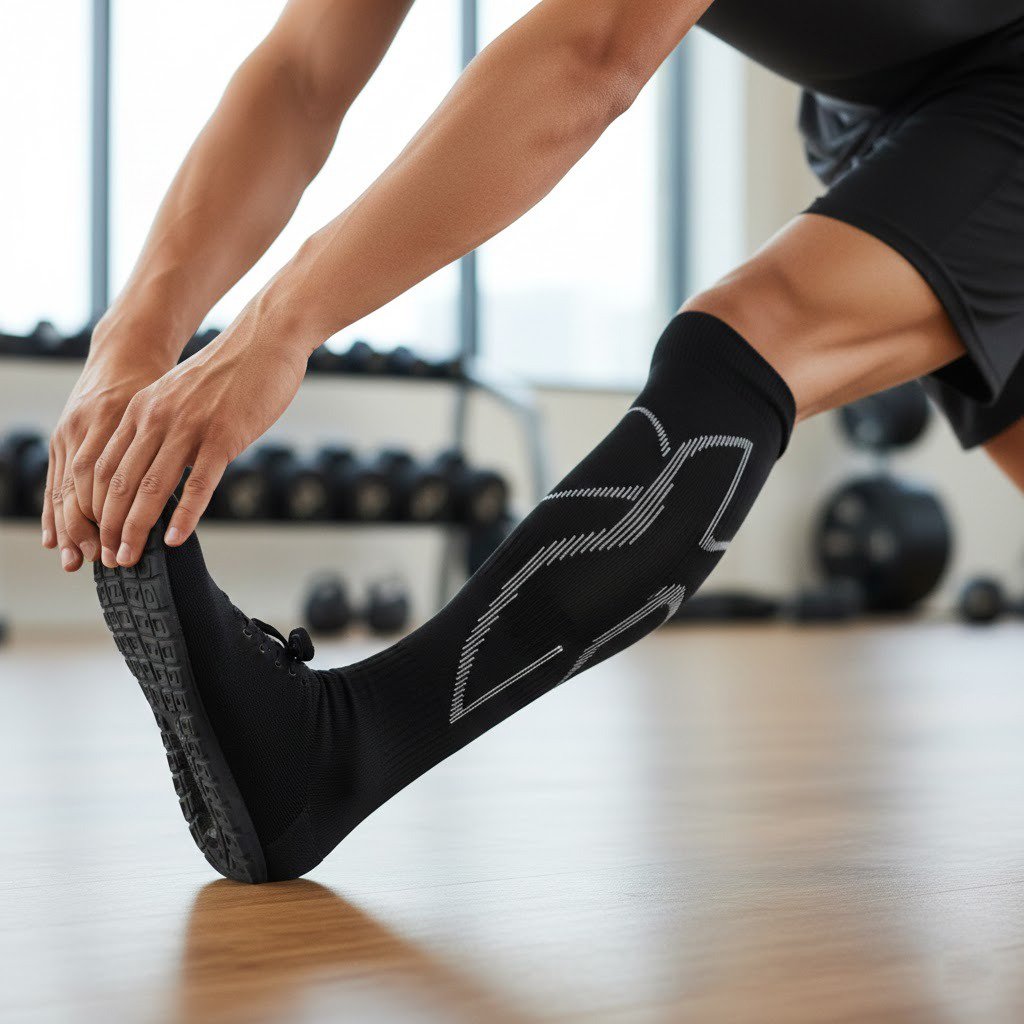
The first image highlights how shin splints support socks look during real athletic activity. You can see how they contour around the calf and shin, providing firm yet comfortable compression where it matters most.
This visual also emphasizes how these socks blend performance with everyday usability. They’re not bulky medical gear, but sleek athletic accessories built for movement.
Understanding Shin Splints
Shin splints, medically known as medial tibial stress syndrome, refer to pain along the shinbone. This discomfort usually occurs due to repetitive stress on the lower leg muscles and connective tissues.
They are especially common among runners, dancers, and individuals who suddenly increase training intensity. Without proper management, shin splints can worsen and lead to more serious injuries.
Common Causes of Shin Splints
Overtraining is one of the most frequent causes of shin splints. Increasing distance, speed, or intensity too quickly places excess strain on the shins.
Other factors include poor footwear, running on hard surfaces, and muscle imbalances. Flat feet or overpronation can also contribute to repeated stress on the shin area.
What Are Shin Splints Support Socks?
Shin splints support socks are compression socks specifically designed to support the lower leg. They apply graduated pressure around the calves and shins to improve blood flow and stabilize muscles.
Unlike standard athletic socks, these provide targeted compression zones. This design helps reduce muscle vibration and fatigue during physical activity.
How Compression Helps Shin Pain
Compression improves circulation by encouraging blood to flow back toward the heart. Better circulation means more oxygen reaches muscles, helping them recover faster.
By reducing swelling and inflammation, shin splints support socks can ease pain both during and after exercise. This makes them useful for training, recovery, and daily wear.
Key Benefits of Shin Splints Support Socks
The popularity of shin splints support socks comes from their wide range of benefits. They address both prevention and recovery in a single, easy-to-use solution.
Pain Relief and Reduced Inflammation
Consistent compression helps limit swelling in the lower legs. This directly reduces pressure on sensitive tissues around the shinbone.
Many users notice reduced pain during activity and quicker relief afterward. Over time, this can make workouts more comfortable and sustainable.
Improved Muscle Stability
Muscle vibration is a common cause of fatigue and microtrauma. Shin splints support socks help stabilize muscles, reducing unnecessary movement.
With better stability, muscles work more efficiently. This can lower the risk of further injury and improve overall performance.
Faster Recovery After Exercise
Recovery is just as important as training. Compression socks help flush out metabolic waste like lactic acid from muscles.
This leads to less soreness and stiffness the next day. Athletes who wear shin splints support socks after workouts often report faster recovery times.
Who Should Use Shin Splints Support Socks?
These socks are not limited to professional athletes. They are suitable for anyone experiencing or trying to prevent shin pain.
Runners and Joggers
Runners are among the most common users of shin splints support socks. The repetitive impact of running places continuous stress on the shins.
Wearing support socks during runs can help absorb some of that stress. They are equally beneficial during long-distance training and short daily jogs.
Walkers and Hikers
Long walks and hikes can also strain the lower legs, especially on uneven terrain. Support socks help maintain circulation and muscle support over extended periods.
For people who enjoy outdoor activities, they offer comfort without limiting movement.
Fitness Enthusiasts and Workers on Their Feet
Gym-goers, dancers, and even people who stand for long hours at work can benefit. Prolonged standing can cause swelling and discomfort in the lower legs.
Shin splints support socks provide all-day support, making them useful beyond sports.
How to Choose the Best Shin Splints Support Socks
Not all compression socks are created equal. Choosing the right pair can significantly affect comfort and effectiveness.
Compression Level Matters
Compression levels are usually measured in mmHg. Mild compression is suitable for daily wear, while moderate to firm compression is better for athletic use.
For shin splints, a moderate compression level often provides the best balance of support and comfort. Always choose based on activity level and personal tolerance.
Material and Breathability
Breathable materials help keep legs cool and dry during exercise. Look for moisture-wicking fabrics that prevent sweat buildup.
Stretch and durability are also important. Quality shin splints support socks should maintain their shape after repeated use and washing.
Fit and Length
Proper fit ensures even compression without discomfort. Socks that are too tight can restrict circulation, while loose socks won’t provide enough support.
Most shin splints support socks are knee-high to cover the entire calf and shin area. This length offers maximum benefit.
Wearing Shin Splints Support Socks Correctly
Using these socks properly ensures you get the full benefit. Simple habits can make a noticeable difference.
During Workouts
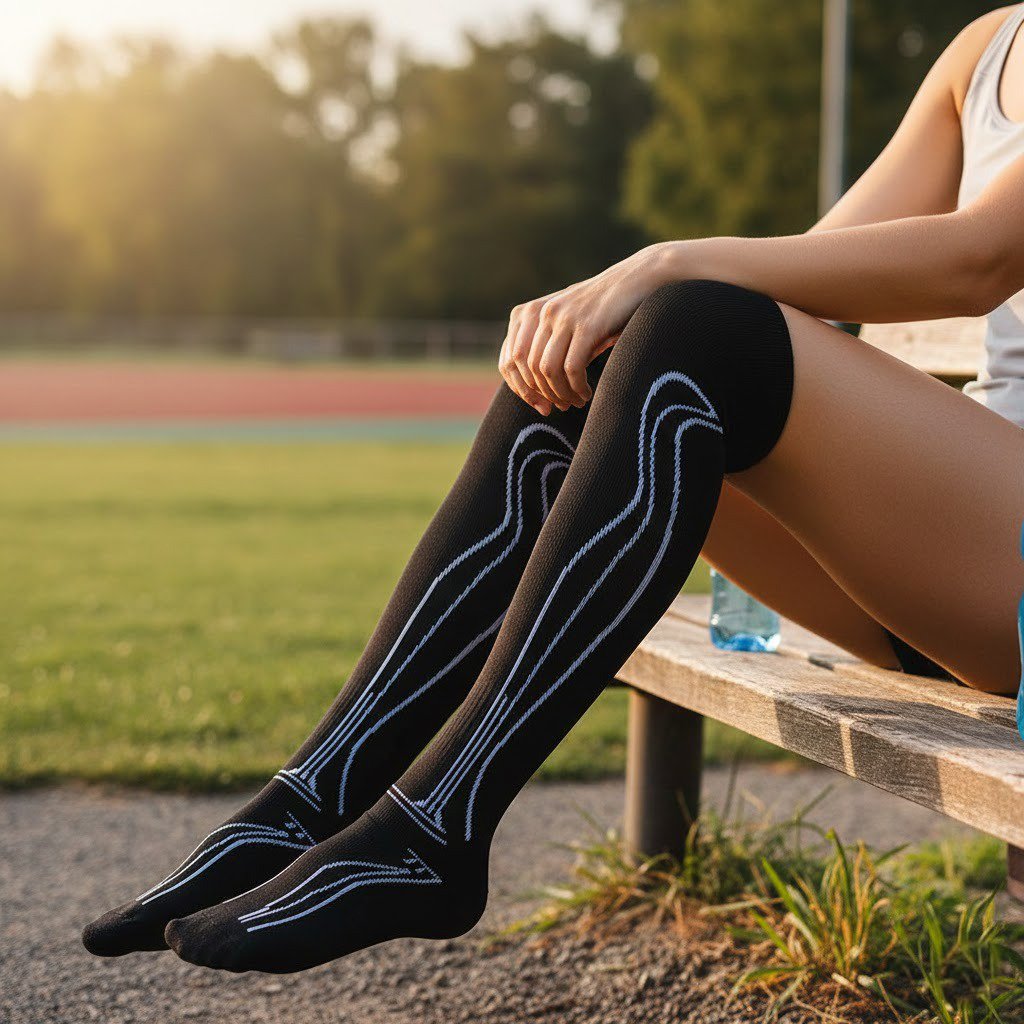
Wear shin splints support socks during runs, gym sessions, or sports activities. They help stabilize muscles and reduce strain while you move.
Make sure the socks are smooth against the skin with no wrinkles. This ensures consistent compression throughout the leg.
Post-Workout and Recovery
Many athletes continue wearing the socks after workouts. This helps with muscle recovery and reduces post-exercise soreness.
Some people even wear them during rest or sleep, especially after intense training days.
Shin Splints Support Socks vs Other Treatments
While support socks are effective, they work best as part of a broader approach to shin splint management.
Comparison with Shin Braces
Shin braces provide localized support but can feel restrictive. Shin splints support socks offer more even compression across the entire lower leg.
Socks are also easier to wear under clothing and during daily activities.
Combining Socks with Other Recovery Methods
For best results, combine support socks with stretching, strength training, and proper footwear. Ice therapy and rest can also help reduce inflammation.
This combined approach addresses both symptoms and underlying causes.
Current Trends in Shin Splints Support Socks
Modern support socks are designed with both performance and style in mind. This has increased their appeal among athletes and casual users.
Athletic and Stylish Designs
Today’s shin splints support socks come in various colors and patterns. This makes them suitable for both workouts and everyday wear.
Brands now focus on sleek designs that complement athletic outfits without looking medical.
Sustainable and High-Tech Fabrics
Eco-friendly materials and advanced knitting techniques are becoming more common. These innovations improve durability while reducing environmental impact.
Some socks now include targeted compression zones based on muscle anatomy. This enhances comfort and effectiveness.
Caring for Your Shin Splints Support Socks
Proper care extends the lifespan of your socks and maintains compression quality.
Washing and Maintenance Tips
Wash socks in cold water with mild detergent. Avoid fabric softeners, as they can damage elastic fibers.
Air drying is recommended to preserve compression. High heat can weaken the material over time.
Knowing When to Replace Them
Compression gradually decreases with use. If the socks feel loose or less supportive, it may be time for a replacement.
Having multiple pairs allows rotation, ensuring consistent support and hygiene.
Final Thoughts on Shin Splints Support Socks
Shin splints support socks offer a practical, non-invasive way to manage and prevent lower leg pain. By improving circulation, stabilizing muscles, and reducing inflammation, they support both performance and recovery.
Whether you’re training for a race or simply staying active, the right pair can make a noticeable difference. With proper selection and use, shin splints support socks can help you move more comfortably and confidently every step of the way.