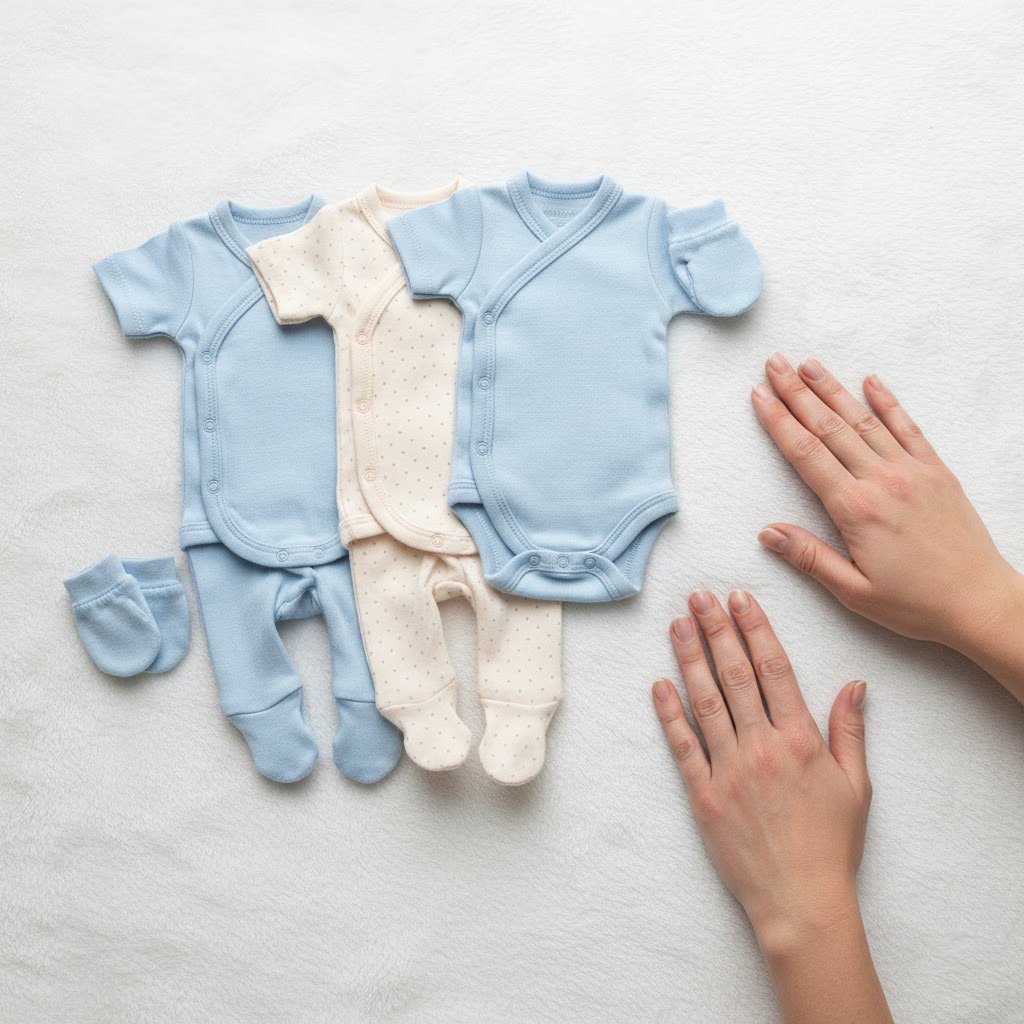
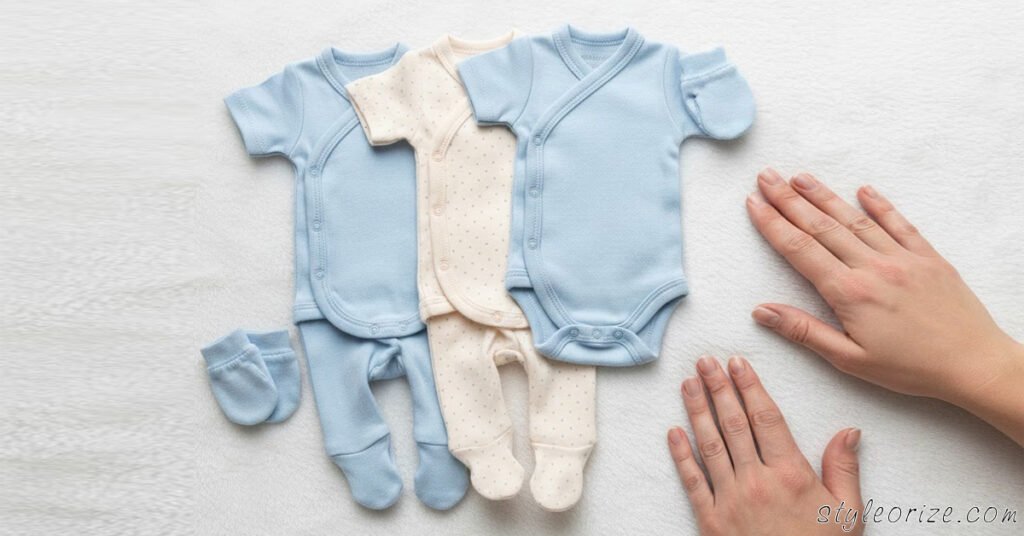
Welcoming a premature baby into the world is a journey filled with unique milestones and immense love, starting with finding the perfect preemie clothes that fit their tiny frames.
The first time you see your baby in actual clothing rather than just a hospital diaper is a moment most parents never forget. It marks a transition toward normalcy and health, but finding garments that don’t swallow their small bodies can be a challenge.
Table of Contents
- Why Specialized Preemie Clothes Matter
- Sizing Guide for Premature Babies
- Key Features to Look For
- Top Fabric Choices for Sensitive Skin
- How Many Outfits Do You Actually Need?
- Caring for Your Tiny Wardrobe
Why Specialized Preemie Clothes Matter
When a baby arrives early, their skin is often thinner and more sensitive than that of a full-term infant. Standard newborn sizes, which usually fit babies from 5 to 8 pounds, are often far too bulky for a “tiny miracle” weighing 4 pounds or less.
Using properly fitted preemie clothes is about more than just looking cute; it is a matter of health. Excess fabric from oversized outfits can bunch up, causing skin irritation or even interfering with the baby’s ability to maintain a stable body temperature.
Furthermore, many premature infants spend their first weeks in the Neonatal Intensive Care Unit (NICU). Specialized clothing allows for the “normalcy” parents crave while ensuring that nurses can still reach essential medical leads and monitors without disturbing the baby’s rest.

Sizing Guide for Premature Babies
Understanding the weight brackets for preemie clothes is the first step in building a functional wardrobe. Unlike standard sizes based on age, these are almost always determined by weight.
| Size Category | Weight Range | Best For |
| Micro Preemie | 1 – 3 lbs | Early NICU stays and specialized care. |
| Preemie (Small) | 3 – 5 lbs | Stable NICU babies and those preparing for home. |
| Tiny Baby / Fit-Preemie | 4 – 6 lbs | Late-term preemies or smaller full-term infants. |
Most parents find that their little ones stay in the “Preemie” size for roughly 4 to 8 weeks. However, every baby grows at their own pace, so it is wise to keep a few newborn-sized items on standby for that inevitable growth spurt.
Key Features to Look For in Preemie Clothes
When shopping, prioritize functionality over fashion. The best preemie clothes are designed with the unique environment of the NICU and the baby’s fragile state in mind.
1. Side-Snap and Kimono Designs
Avoid anything that needs to be pulled over the baby’s head. Kimono-style tops or side-snap bodysuits are essential because they allow you to lay the baby down and wrap the clothing around them, minimizing physical stress.
2. Plastic Snaps vs. Metal
In the NICU, plastic snaps are often preferred over metal ones. Plastic does not get as cold against the skin and is generally safer if the baby needs to undergo certain medical scans or X-rays while dressed.
3. Open Feet and Fold-Over Mittens
Look for “footless” sleepers. These allow medical staff to attach pulse oximeter probes to the baby’s feet easily. Fold-over mittens are also a lifesaver, as they prevent tiny, sharp fingernails from scratching delicate facial skin.

Top Fabric Choices for Sensitive Skin
The material of your preemie clothes is the most important factor for comfort. Since a premature baby’s skin barrier is still developing, you want fabrics that are breathable and free from harsh chemicals.
Organic Cotton is the gold standard. It is grown without synthetic pesticides and processed without toxic dyes, making it incredibly gentle. It’s also durable enough to withstand the frequent, high-heat washings required for infant hygiene.
Bamboo Viscose is another rising favorite. It is naturally hypoallergenic and has thermal-regulating properties. This helps keep your baby warm in cooler environments while preventing overheating, which is a common concern for smaller infants.
How Many Outfits Do You Actually Need?
It is tempting to buy every adorable tiny outfit you see, but preemies grow quickly once they start “catching up.” A minimalist approach is usually best for your budget and storage space.
We recommend starting with a rotation of 5 to 7 sleepers and 5 bodysuits. Since premature babies often struggle with reflux or frequent diaper changes, having a week’s worth of clothes ensures you aren’t doing laundry every single night.
Don’t forget the accessories! Two or three soft knit hats are vital for heat retention, as babies lose a significant amount of body heat through their heads. A few pairs of soft socks can also help keep tiny toes warm if you are using footless garments.
Caring for Your Tiny Wardrobe
Before any preemie clothes touch your baby’s skin, they must be washed. Use a fragrance-free, hypoallergenic detergent specifically formulated for babies to remove any dust or residues from the manufacturing process.
Wash these items in warm water and, if possible, dry them on a high-heat setting to ensure they are fully sanitized. Always check for loose threads or falling buttons after washing, as these can pose a safety risk to such a small infant.
As your baby grows, you will eventually notice the snaps getting a bit tight or the sleeves looking a little short. This is a moment for celebration! It means your tiny miracle is thriving and ready to graduate to the next size.
Selecting the right preemie clothes is one of the first ways you can provide comfort and care for your baby. By focusing on soft fabrics, easy-access designs, and the correct weight-based sizing, you are giving your little one the best start possible in their brand-new world.