
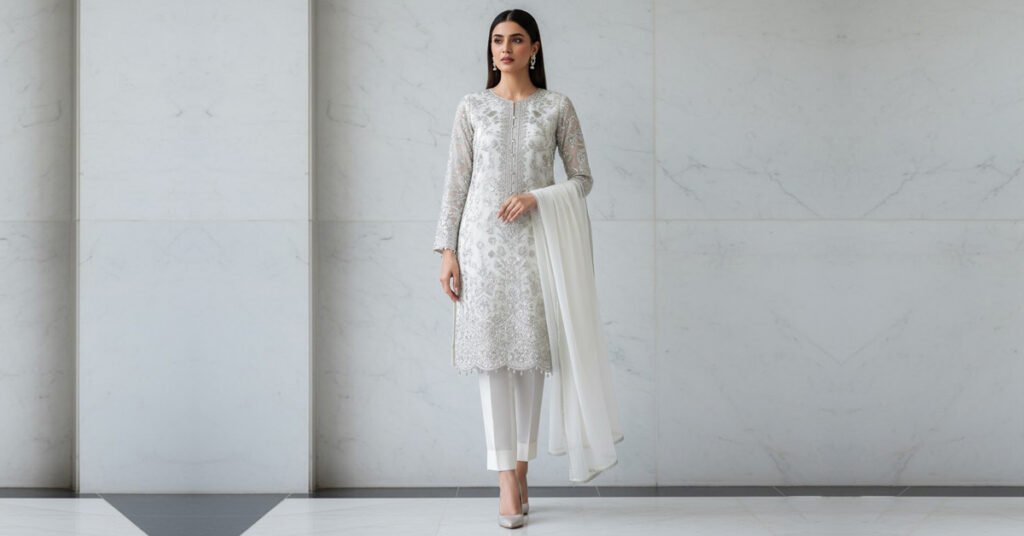
The Pakistani suit salwar kameez is not merely an article of clothing; it is a profound cultural statement, a staple of elegance that graces every occasion, from the most casual day out to the most elaborate wedding reception. This three-piece ensemble, comprising the kameez (tunic), salwar (trousers), and dupatta (scarf), offers a perfect blend of modesty, comfort, and high fashion. Its timeless appeal lies in its versatility and the beautiful way it serves as a canvas for the subcontinent’s rich textile artistry.
The modern rendition of the Pakistani suit salwar kameez has undergone a magnificent evolution, constantly adapting to global fashion cues while retaining its traditional core. Designers today are masters at melding age-old embroidery techniques like Zari and Tilla with contemporary silhouettes such as sleek cigarette pants and voluminous Anarkalis. This dynamic change ensures that the suit remains relevant and highly sought after by women across all age groups and demographics.
The visual representation of this garment is incredibly important to its story. Whether you are showcasing a vibrant, digitally printed lawn suit or a heavily hand-worked bridal ensemble, the photograph must capture the drape, the texture, and the intricate detail. These images are crucial in demonstrating the sheer variety and craftsmanship involved in creating a high-quality Pakistani suit salwar kameez.
Understanding the Core Components and Regional Roots
To truly appreciate the Pakistani suit salwar kameez, one must understand its foundational elements and the cultural history that shaped them. The structure is simple, yet the permutations are endless, allowing for individual expression and regional identification.
The Kameez (Tunic)
The kameez is the focal point of the ensemble. Historically, it was loose and long, but modern cuts have introduced a variety of lengths and styles:
- Straight Cut: The most common and versatile style, falling straight from the shoulders, typically paired with cigarette pants.
- Anarkali: A magnificent frock-style tunic, fitted at the bust and flaring out dramatically from the waist or yoke, often reaching floor-length, perfect for formal events.
- A-Line: Gently flares out from the chest, offering a softer, universally flattering silhouette, ideal for both casual and semi-formal wear.
The Salwar (Trousers/Bottoms)
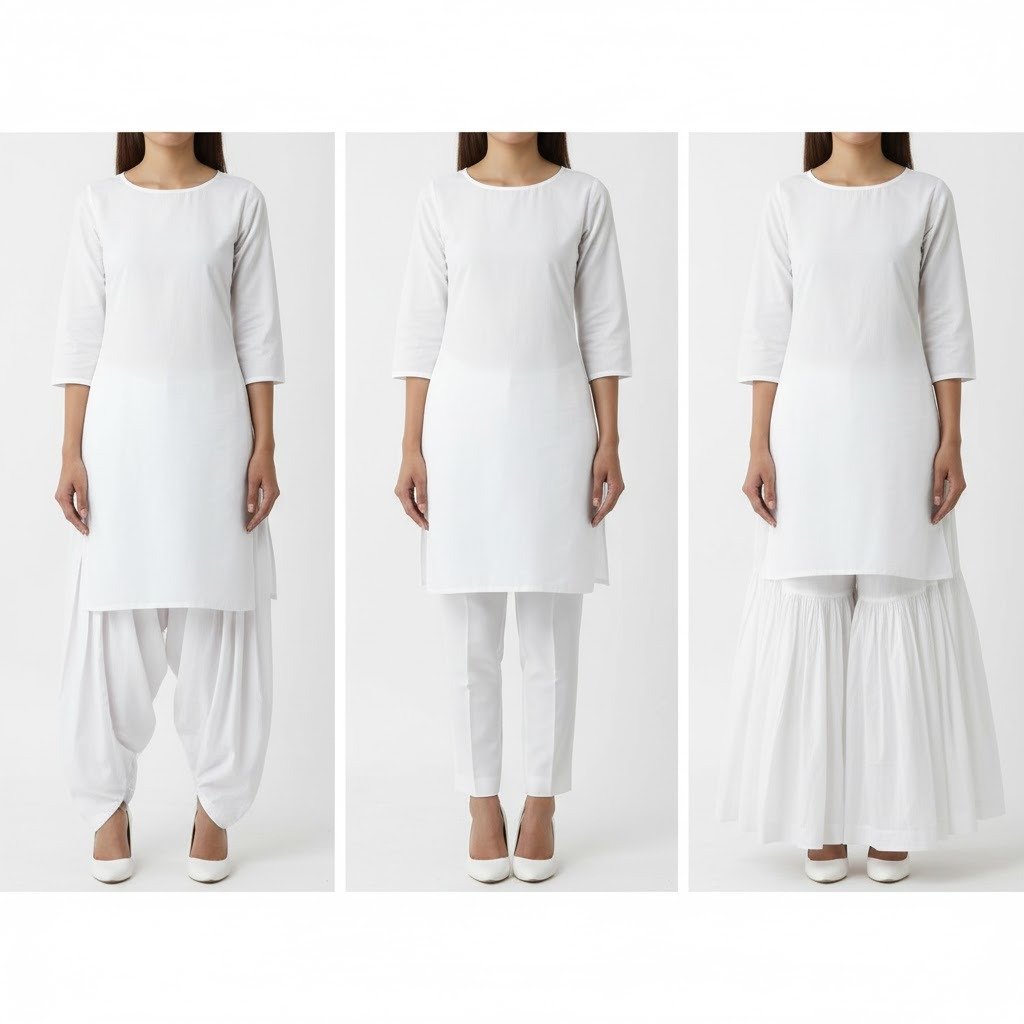
While the traditional salwar is a loose, pleated trouser tapering at the ankle, contemporary fashion has popularized several sleek alternatives:
- Cigarette Pants: Narrow, tailored trousers that end neatly at the ankle, providing a sharp and modern look.
- Sharara/Gharara: Voluminous, flared pants that have made a significant return, reserved primarily for weddings and heavy festive occasions.
- Pajama/Churidar: The churidar is fitted and gathered at the ankle, creating ‘churis’ or folds, which elongates the leg line, complementing longer kameez styles.
The Dupatta (Scarf/Shawl)
The dupatta completes the look, adding a layer of elegance, colour, and texture. Its fabric and embroidery usually match the suit’s formality. Simple cotton or chiffon dupattas are for daily wear, while heavy net, silk, or organza dupattas with rich embroidery are reserved for wedding or latest Pakistani designer suits online. The way it is draped can completely transform the overall aesthetic.
Decoding the Latest Pakistani Designer Suits Online
The rise of e-commerce has brought the best of Pakistani fashion to a global audience. The market for latest Pakistani designer suits online is booming, offering everything from affordable ready-to-wear collections to exclusive haute couture pieces. Understanding what makes a designer suit desirable is key to making an informed purchase.
Fabric Focus: Comfort Meets Luxury
Designers strategically use different fabrics based on the season and intended use:
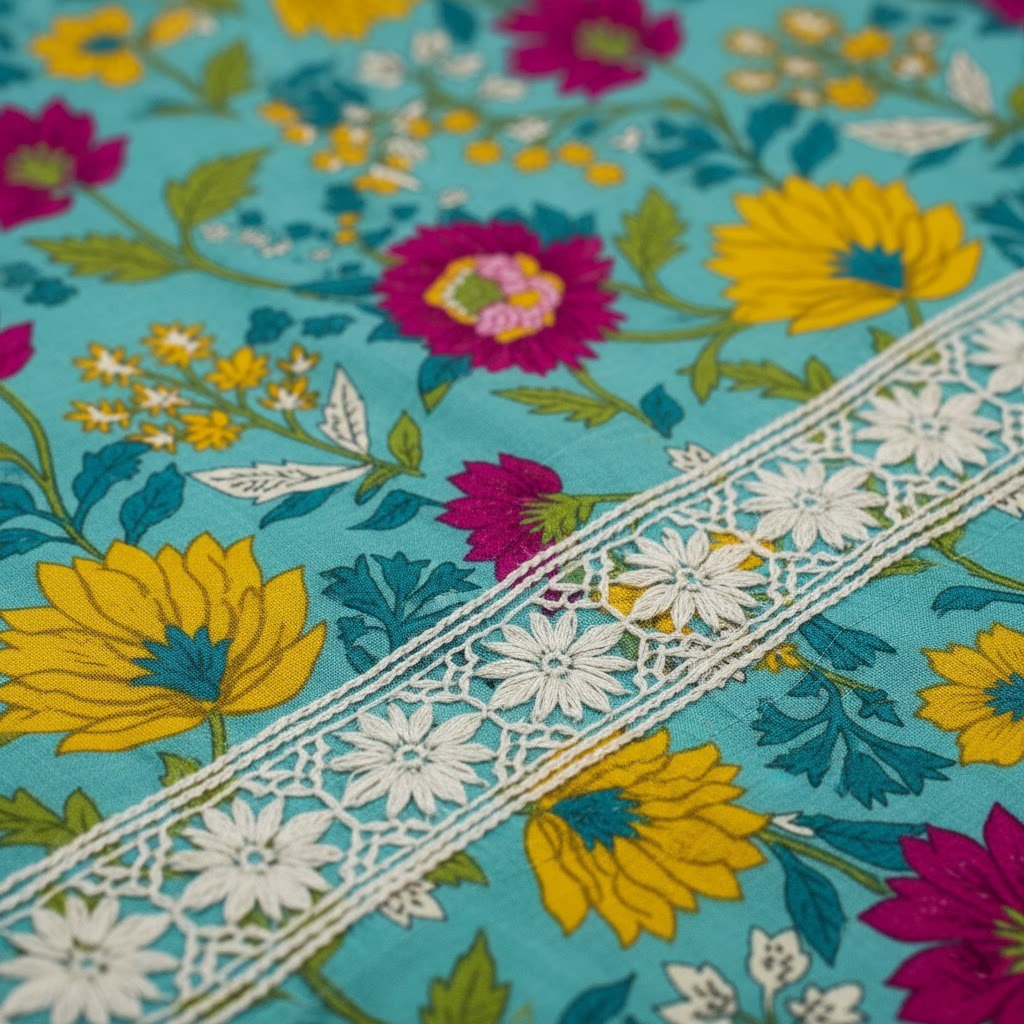
- Summer Staples: Best fabric for Pakistani summer suits is undeniably Lawn and Cambric. Lawn is a high-thread-count cotton known for its supreme softness and breathability. These suits often feature vibrant digital prints and minimal, light embroidery, making them perfect for the heat.
- Transitional Wear: Chiffon and Georgette are favoured for semi-formal evening wear. They drape beautifully and are light enough to carry heavier embellishments without feeling weighed down.
- Winter and Formal: Velvet, Khaddar, and Marina are popular choices. Velvet is the epitome of luxury for winter weddings, often adorned with heavy gold Zari work.
The Art of Embellishment
Designer suits distinguish themselves through intricate, high-quality handwork. The embroidery techniques often showcase traditional Pakistani heritage:
- Tilla and Zari: Metallic threadwork, using gold or silver threads, creates a rich, opulent texture, typically found on borders, necklines, and sleeves of formal suits.
- Aari and Kori: Fine needlework used to create detailed, often chain-stitched patterns.
- Dabka and Mukaish: Dabka is a spring-like coiled wire used for heavy, three-dimensional embroidery, while Mukaish involves thin, flat metallic wire delicately woven into the fabric, lending a subtle sparkle.
How to Style a Pakistani Embroidered Suit for Maximum Impact
Learning how to style a Pakistani embroidered suit is an essential skill that elevates the outfit from simply wearing a dress to making a confident fashion statement. The key is balance—balancing the heavy embroidery with minimalist jewellery, and the volume of the suit with structured accessories.
Styling for Festive Occasions
When wearing a heavily embroidered suit, the outfit itself is the main event.
- Jewellery: Opt for statement pieces that complement the embroidery colour. If the suit has gold Zari, choose gold-toned jewellery. A heavy jhumka (traditional earring) or a dramatic necklace is usually sufficient. Avoid wearing both a heavy necklace and heavy earrings simultaneously.
- Hair and Makeup: Keep the makeup elegant and polished. A classic winged liner, a bold lip colour, and a traditional hairstyle like a voluminous braid or a sleek bun will enhance the traditional look without competing with the suit.
- Footwear: Traditional embellished khussas or kolhapuris work well with wider salwars and ghararas. For cigarette pants or Anarkalis, sleek heels or wedges are preferred for a modern vertical lift.
Styling for Day-to-Day Elegance
A cotton or lawn Pakistani suit salwar kameez is perfect for comfortable daily wear, but can still look incredibly chic.
- Accessories: Minimalist silver or gold jewellery works best—think small hoop earrings or delicate chain bracelets. A simple, structured tote bag adds functionality and polish.
- Draping: The dupatta can be wrapped loosely around the neck like a scarf or draped simply over one shoulder to keep the hands free and the look neat.
- Fit Matters: Even for casual wear, ensure the kameez fits well across the shoulders and the length is flattering. A well-tailored fit is the secret to making even the simplest suit look expensive and stylish.
Tips for Online Shopping and Suit Maintenance
Buying latest Pakistani designer suits online requires attention to detail. Always check the fabric composition, read reviews for sizing accuracy, and compare the stitching quality based on provided close-up images. Reputable retailers will clearly specify whether the suit is stitched or unstitched.
For maintaining the longevity of your investment, especially for heavily embroidered pieces, dry cleaning is highly recommended. For everyday lawn or cotton suits, hand-washing with a mild detergent helps preserve the prints and the fabric’s soft texture. Never wring out heavily embellished sections. By caring for the textile and the handwork, you ensure that your treasured Pakistani suit salwar kameez remains a beautiful, enduring piece in your wardrobe for many years to come. The enduring appeal of this garment is a testament to its cultural significance and timeless beauty.