
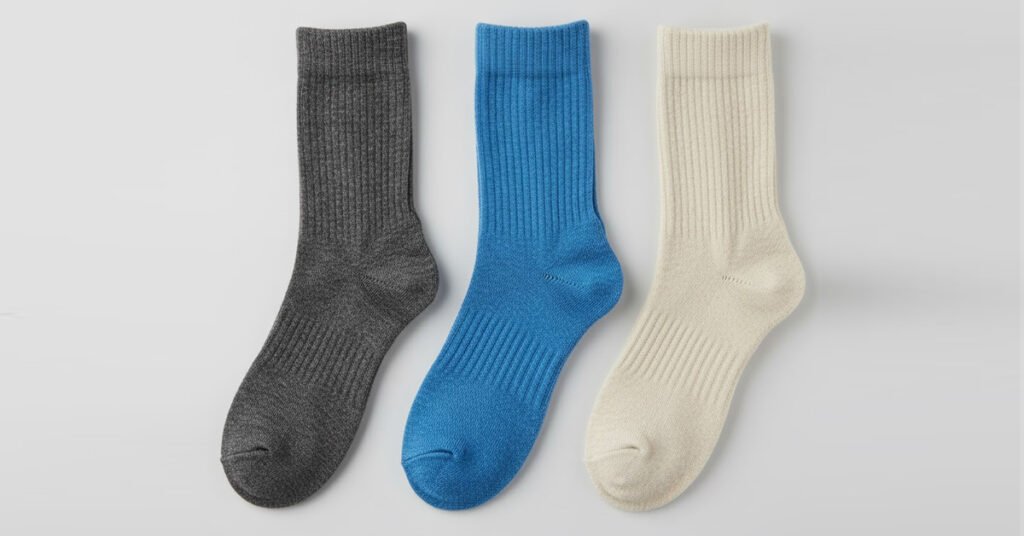
The humble sock is often an afterthought, but choosing the right pair is one of the most critical decisions you can make for your foot health, comfort, and performance. If you’ve ever experienced the discomfort of damp, cold, or blister-ridden feet, you understand this truth. The secret ingredient that transforms a mediocre experience into an outstanding one is a remarkable natural fiber: merino wool socks. This isn’t your grandfather’s itchy wool; this is a fine, high-performance material that stands in a league of its own, delivering an unparalleled combination of softness, durability, and technical function for any environment.
The picture above captures the essence of what merino wool offers: a blend of rugged, natural fiber with sophisticated, high-performance design. From mountaineering expeditions to a long day at the office, the right pair of socks should be a foundation of comfort. Investing in high-quality merino wool socks means investing in a piece of apparel that actively works to regulate your body’s temperature, fight odor, and keep your feet dry, mile after mile.
Understanding the Magic of Merino Wool
Merino wool comes from the Merino sheep, a breed primarily raised in Australia and New Zealand, which evolved to survive extreme hot and cold temperatures. Unlike traditional wool, which is thick and coarse, merino wool fibers are ultra-fine (less than 24 microns in diameter), making them flexible and incredibly soft against the skin, eliminating the infamous “itch” factor.
Temperature Regulation: The All-Season Fiber
The unique structure of the merino fiber—which has a natural crimp and tiny overlapping scales—creates millions of microscopic air pockets. In cold weather, these pockets trap heat from your body, acting as a superior insulator to keep you warm. When the temperature rises, the fiber’s breathability allows excess heat and moisture vapor to escape, keeping your feet cool and preventing that stuffy, sweaty feeling associated with synthetics. This innate ability to thermo-regulate makes merino wool socks the perfect year-round choice.
Moisture Management and Blister Prevention
One of the most crucial benefits, especially for hikers and runners, is merino wool’s incredible moisture management. The fiber is “hydrophilic,” meaning it’s highly capable of absorbing moisture vapor (up to 30% of its own weight) before it turns into liquid sweat on your skin. It then moves this vapor away from your foot, allowing it to evaporate quickly. This keeps your feet feeling dry and prevents the damp, friction-filled environment that causes blisters. Choosing the best merino wool hiking socks for blisters often means finding a blend with strategic cushioning and a high merino content to maximize this moisture-wicking power.
Natural Odor Resistance
If you’ve ever had smelly feet after a long day, you’ll appreciate the antimicrobial properties of this fiber. Bacteria need moisture to thrive and cause odor. Because merino wool wicks moisture so effectively, it creates a hostile environment for the bacteria. The wool fiber’s complex structure also traps odor molecules, only releasing them when washed. This natural resistance means you can wear the same pair of merino wool socks for multiple days on a backpacking trip without them smelling—a massive benefit for travelers and outdoor enthusiasts.

Merino Wool vs. The Competition
When it comes to sock materials, the choice often comes down to three major players: cotton, synthetic, and merino wool. Understanding their differences highlights why merino is the ultimate performance fiber.
Merino Wool vs Cotton Socks for Work
Cotton is comfortable, but it’s fundamentally a poor performer. Cotton is hydrophobic—it soaks up water and holds onto it like a sponge. When your feet sweat, cotton socks get saturated, lose their insulating properties, and stay wet. This can lead to cold feet in the winter and a clammy, blister-prone environment in the summer, which is why experts often warn: “Cotton kills.” For long days in work boots or office shoes, merino wool vs cotton socks for work isn’t a contest. Merino keeps your feet dry and fresh, which is paramount for both comfort and professionalism.
Merino Wool vs Synthetic Blends
Synthetic materials (like polyester, nylon, and acrylic) are budget-friendly and offer good moisture-wicking performance and quick drying times. However, they lack the natural temperature regulation of merino and can feel slick or plasticky. Most importantly, synthetics are notorious for trapping odor quickly, often requiring washing after a single wear. The best performance socks, including many popular merino wool socks, often use a blend of merino with a small percentage of synthetic fibers like nylon and spandex to enhance durability, elasticity, and shape retention.
Choosing the Right Merino Wool Sock for Every Activity
The versatility of merino allows manufacturers to create specialized socks for every need, defined by their thickness, cushioning, and height.
Cushioning Levels
- Ultra-Lightweight/Zero Cushion: Perfect for summer running, cycling, or close-fitting dress shoes. They maximize breathability and minimize bulk.
- Light Cushion: Ideal for everyday wear, casual hiking, and moderate workouts. They offer comfort without taking up too much room in the shoe.
- Midweight/Full Cushion: The standard for backpacking, rugged hiking, and cold weather. The extra padding provides insulation and protection against impact and friction, making them the classic best merino wool hiking socks.
Sock Height
- No-Show/Ankle: Great for warm-weather sports and casual summer shoes.
- Crew/Mini-Crew: Excellent for daily wear, trail running, and light hiking. The crew height offers protection above the boot line.
- Over-the-Calf: Primarily for skiing, snowboarding, or highly supportive work boots, offering maximum coverage and compression.


Caring for Your Investment
Merino wool is surprisingly resilient, but proper care is essential to maintain its high performance, fine texture, and longevity. Learning how to wash merino wool socks without shrinking is simple and crucial for getting the most value from your investment.
The Golden Rules of Merino Sock Care
- Machine Wash Cold: Use the gentle or wool cycle with cool or cold water. Hot water can damage the fine fibers and cause shrinkage.
- Use a Gentle Detergent: Opt for a mild soap, preferably one specifically designed for wool. Avoid harsh cleaners, especially those containing bleach or enzymes, as these can break down the natural proteins in the wool.
- Skip the Fabric Softener: Fabric softener coats the wool fibers, which dramatically reduces their ability to wick moisture and regulate temperature.
- Air Dry is Best: The key to preventing shrinkage and maintaining shape is to air dry. Lay your socks flat or hang them to dry. If you must use a dryer, use the lowest heat setting possible, though this is not generally recommended.
By following these simple steps, your merino wool socks will retain their shape, softness, and incredible technical properties for years, making the higher initial cost a true long-term value. From the trail to the office, no other fabric provides the same level of comfort, performance, and multi-day freshness. Choose merino, and your feet will thank you.