

For decades, the knee high sock has cycled through fashion, evolving from a school uniform staple to a high-fashion runway accessory, and even a crucial piece of athletic gear. More than just a quirky trend, these extended accessories offer an unparalleled blend of practical utility, comfort, and bold style statement. They provide essential warmth, crucial muscle support, and a definitive finishing touch to any outfit, proving their value extends far beyond simply covering the foot. Whether you’re looking to perfect the latest street style, enhance your marathon recovery, or simply keep your legs toasty through the winter, the versatility of the knee high sock makes it a true wardrobe essential that deserves a spotlight.
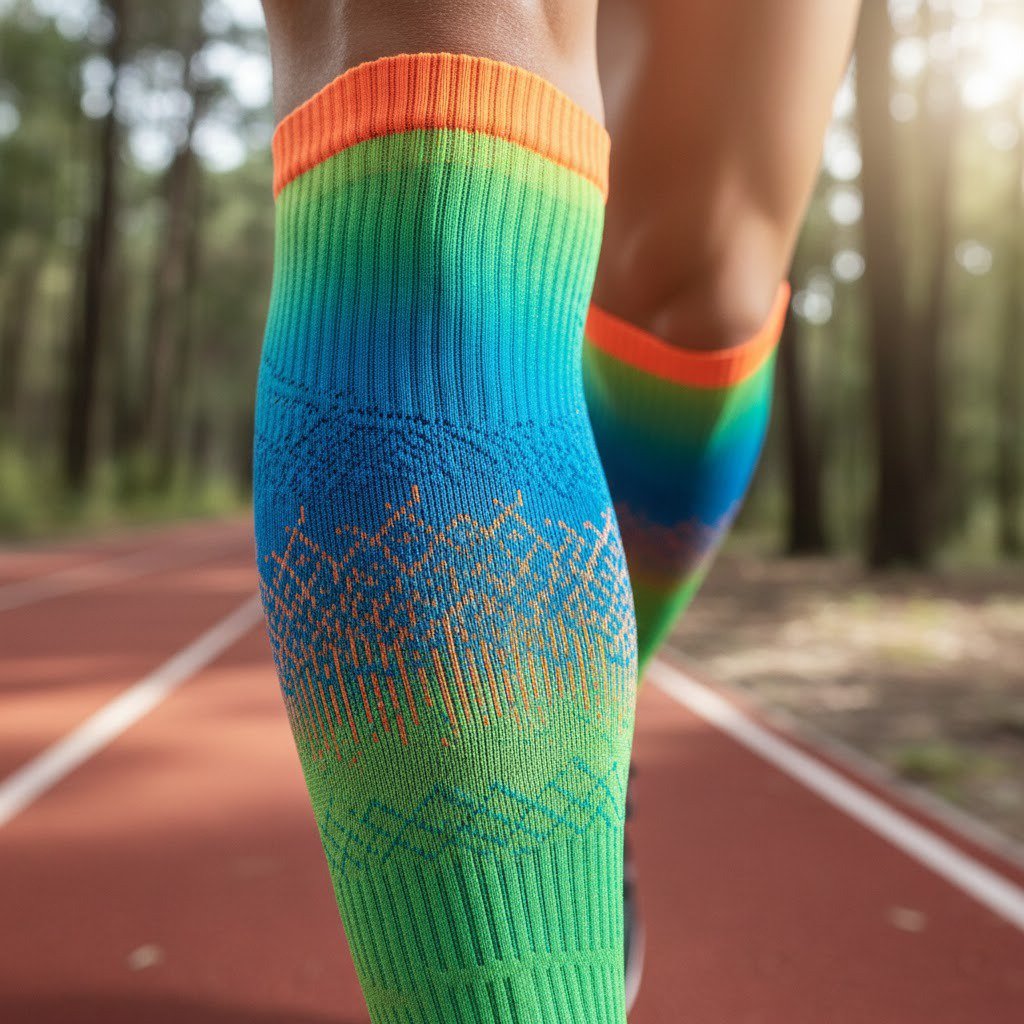
The feature image captures the essence of how the knee high sock is being embraced today: as an active, deliberate element of a well-curated outfit. No longer content to be hidden, these socks are designed to be shown off, adding texture, color, and dimension to your look. Their length makes them exceptionally functional, bridging the gap between ankle socks and full tights while delivering maximum style impact.
Fashion Forward: How to Style Knee High Socks
In the current fashion landscape, knee high socks are enjoying a massive resurgence, particularly within the preppy, coquette, and cozy-chic aesthetics. The key to styling them is confidence and balancing proportions to create visual harmony.
Styling with Skirts, Shorts, and Dresses
This is the most classic and impactful way to wear them. The gap of skin shown between the top of the sock and the hemline—often called the “thigh gap”—is a central element of the look.
- Mini-Skirts and Pleats: Pair opaque black, white, or patterned knee high socks with pleated skirts and chunky loafers or Mary Jane flats for a sophisticated, preppy look. The sock provides a flattering vertical line, lengthening the leg.
- Flowy Dresses and Midi Skirts: For a softer, bohemian or romantic look, choose sheer or lace-trimmed knee-highs with a flowy dress. Pair these with delicate heels or ballerina flats to maintain an elegant silhouette.
- Bermuda Shorts: A newer, fashion-forward trend involves pairing them with longer shorts (like Bermuda or tailored shorts) and an oversized blazer. The sock adds a layer of texture and warmth, instantly elevating a casual short into a seasonal statement piece.
How to Style Knee High Socks with Boots
Boots and knee-highs are a match made in cold-weather heaven, offering practical warmth while enhancing the aesthetic of your footwear.
- Riding Boots or Tall Boots: Wear a textured or colored sock that folds down slightly over the top of the boot shaft. This small peek of color or cable knit is an intentional detail that adds a layer of cozy dimension.
- Ankle Boots and Booties: For ankle boots, the sock should fully cover the calf and disappear seamlessly into the top of the boot, providing warmth without bunching. Alternatively, for a fashion-forward look, choose a sock long enough to scrunch slightly just below the knee, adding volume above a tight-fitting bootie.
- Loafers and Flats: The current trend sees thick, often ribbed or wool, knee high socks paired deliberately with dress shoes like loafers or brogues, leaning into a playful, collegiate vibe.

Beyond Aesthetics: The Performance and Health Benefits
While style is a compelling reason to wear them, many knee high socks serve a crucial health and performance function, primarily in the form of compression wear.
Compression Knee High Socks Benefits
Compression socks are specially engineered to apply controlled pressure to the lower legs. This pressure is strongest at the ankle and gradually reduces up the calf (graduated compression), which assists the veins in pushing deoxygenated blood back toward the heart.
- Enhanced Circulation: This improved blood flow is the primary benefit, helping to prevent blood from pooling in the feet and ankles, which is essential for people who sit or stand for long periods.
- Reduced Swelling and Fatigue: For travelers on long flights or workers on their feet all day, the gentle squeeze from compression knee high socks significantly reduces edema (swelling) and leg fatigue, leaving legs feeling lighter and more energized.
- Athletic Recovery: Runners and athletes frequently use them after strenuous workouts. By increasing blood flow, compression socks help flush out metabolic waste products like lactic acid, leading to faster muscle recovery and reduced soreness.
- Medical Use: They are often prescribed to manage and prevent more serious conditions like Deep Vein Thrombosis (DVT), varicose veins, and orthostatic hypotension.
The Material Matters: Choosing Socks for Every Climate
The material of your knee high socks determines their comfort, warmth, and function. Choosing the right fabric is critical whether you’re battling extreme cold or seeking breathable comfort.
Best Wool Knee High Socks for Winter
For maximum warmth and superior performance, wool is the undisputed champion.
- Merino Wool: This is the gold standard. Merino wool fibers are fine, non-itchy, and possess natural thermoregulation properties. They keep you warm even when damp, making them perfect for skiing, hiking, or simply navigating a cold day. They are also naturally odor-resistant, a significant bonus for multi-day wear.
- Cashmere and Alpaca: These luxurious wools offer incredible softness and warmth with less bulk, making them ideal for everyday wear, lounge socks, or pairing with dressier boots.
Materials for Mild Weather and High Activity
- Cotton and Bamboo Blends: Pure cotton is soft but retains moisture (which can lead to cold feet). However, blends with synthetic fibers like polyester or spandex offer a great balance of comfort, softness, and breathability for everyday wear and fashion purposes in moderate temperatures. Bamboo rayon is exceptionally soft, moisture-wicking, and naturally thermal-regulating.
- High-Tech Synthetics (Nylon/Spandex): Performance and compression knee high socks rely heavily on durable, moisture-wicking synthetic blends. These materials provide the necessary stretch and recovery power to maintain the critical compression levels required for circulation support. Look for technologies that enhance breathability and speed up drying time.
Fit and Maintenance: Making Your Knee Highs Last
A well-fitting knee high sock should reach just below the knee (the top of the calf) or slightly over it, and should never feel restrictive at the cuff. If the cuff leaves deep, painful marks, the fit is too tight.
- Preventing Sagging: Socks that are primarily cotton or wool without a good blend of nylon or Spandex (elastane) are prone to slipping. Look for socks with a reinforced, non-binding cuff and a high-quality stretch blend to ensure they stay up without cutting off circulation.
- Caring for Compression: Compression socks require special care. Wash them inside out in cool water on a gentle cycle, and always air dry. High heat, especially from a dryer, will break down the elastic fibers that provide the therapeutic pressure, dramatically reducing their effectiveness.
The knee high sock has cemented its place as a year-round accessory, transitioning seamlessly from a playful style statement in spring to an essential performance piece for cold weather and health. By choosing the right material and mastering the art of the perfect fit, you can unlock the full potential of this powerful piece of hosiery, ensuring both your comfort and style are perfectly elevated.
Pingback: Why Compression Socks for Men Are a Daily Essential