

Slime is fun, colorful, and wildly popular with kids, but it becomes a nightmare the moment it sticks to clothing. Whether it’s homemade slime or store-bought putty, the sticky texture can cling to fabric fast. The good news is that learning how to get slime out of clothes is easier than it looks when you use the right steps and avoid common mistakes.
Many parents panic and toss slime-covered clothes into the wash, which often makes things worse. With a calm approach and simple household items, you can remove slime safely and save your clothes.
Before jumping into cleaning methods, it helps to understand what slime looks like during removal. Visual examples show how slime behaves when scraped, treated, and rinsed properly.
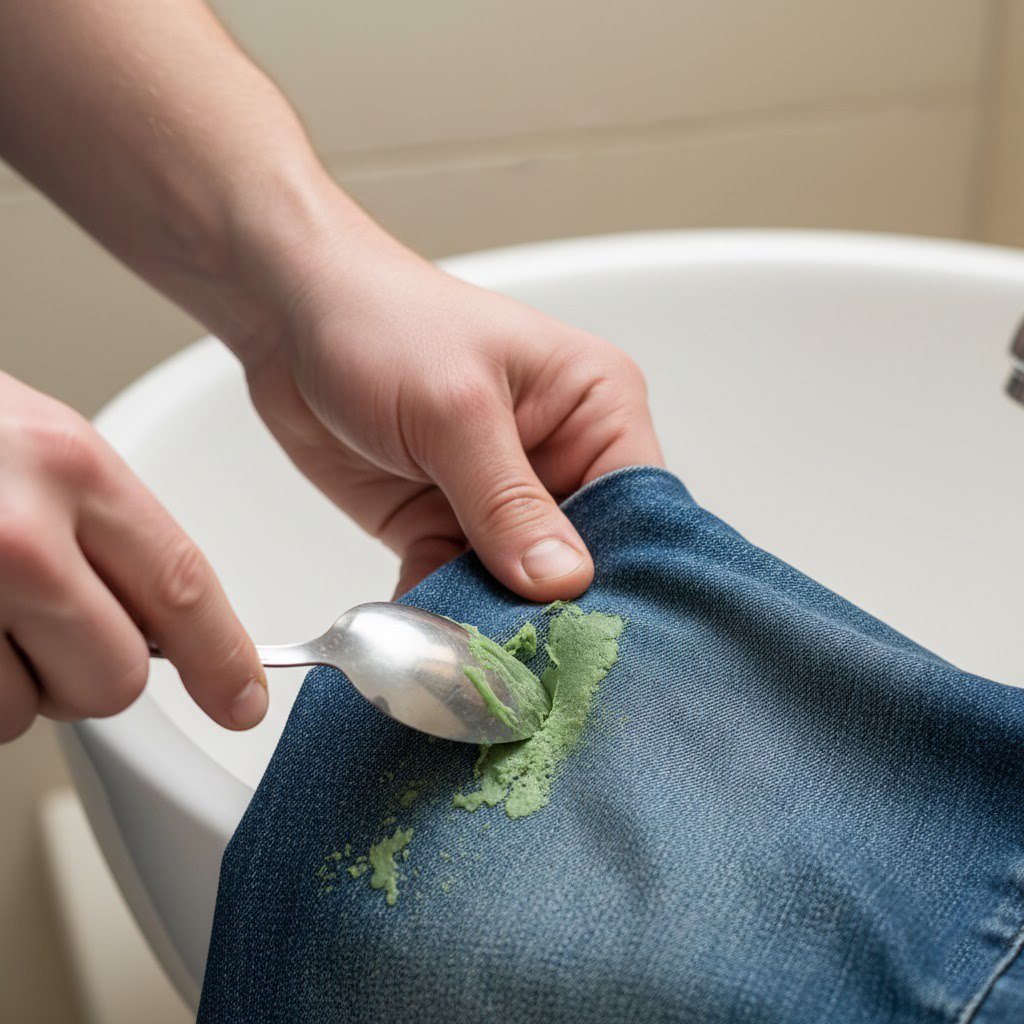
The first image shows a real-life cleaning moment where early action prevents slime from spreading deeper into the fabric. It highlights the importance of tackling the mess before washing.
What Is Slime Made Of and Why It Sticks
Most slime contains glue, borax or saline solution, and coloring. These ingredients create a stretchy, sticky substance that bonds easily with fabric fibers.
When slime dries, it hardens and becomes even more difficult to remove. That is why timing and technique matter so much.
What to Do Immediately After Slime Gets on Clothes
Remove Excess Slime First
Use your fingers or a spoon to gently lift off as much slime as possible. Avoid pressing it deeper into the fabric.
Do this step slowly to prevent spreading the slime to clean areas.
Let the Slime Dry Slightly
Wet slime smears easily. Allowing it to dry for a short time makes scraping easier and cleaner.
This step helps you remove larger chunks without damaging the fabric.
How to Get Slime Out of Clothes Using Simple Methods
Ice Cube Method
Place ice cubes on the slime until it hardens completely. Once frozen, scrape it off gently with a spoon or dull knife.
This method works well for both fresh and partially dried slime.
White Vinegar Solution
Apply white vinegar directly to the slime stain. Vinegar helps break down the glue component in slime.
Let it sit for a few minutes, then gently scrub with a soft brush before rinsing with cold water.
Removing Dried Slime From Clothes
Scrape Carefully
For fully dried slime, start by scraping off as much as possible. Be patient and avoid pulling fabric fibers.
This step prepares the stain for deeper treatment.
Dish Soap and Warm Water
Apply liquid dish soap to the stained area and work it in gently. Rinse with warm water to loosen remaining residue.
Repeat the process if needed before washing.
Fabric-Specific Slime Removal Tips
Cotton and Denim
These fabrics are durable and respond well to vinegar, dish soap, and warm water. Multiple treatments are usually safe.
Always check the stain before drying.
Synthetic Fabrics
Polyester and blends can trap slime residue. Use gentle scrubbing and avoid excessive heat.
Rinse thoroughly to prevent sticky buildup.
Delicate Fabrics
Silk, wool, and rayon require extra care. Avoid scraping aggressively or using strong solutions.
Professional cleaning is often the safest option for delicate garments.
Using Rubbing Alcohol for Tough Slime Stains
Rubbing alcohol can dissolve stubborn slime residue. Apply it with a cotton pad and blot gently.
Test on a hidden area first to ensure the fabric color stays intact.
What Not to Do When Removing Slime
Never put slime-stained clothes directly into the dryer. Heat can permanently set the stain and residue.
Avoid harsh scrubbing, which can damage fabric fibers and spread slime further.

When to Wash After Slime Removal
Once most of the slime is gone, wash the garment according to its care label. Use cold or warm water depending on fabric type.
Inspect the area before drying. If any residue remains, repeat treatment instead of applying heat.
Can Slime Leave Permanent Stains?
In most cases, slime does not permanently stain fabric if treated properly. However, colored slime may leave dye marks on light fabrics.
Quick action greatly improves your chances of full removal.
Preventing Slime Accidents in the Future
Encourage kids to play with slime on washable surfaces. Wearing old clothes during slime activities can prevent frustration.
Keeping vinegar, dish soap, and ice handy makes cleanup easier when accidents happen.
Final Thoughts
Knowing how to get slime out of clothes can save time, money, and favorite outfits. Slime may be sticky and stubborn, but it is not unbeatable.
With the right approach, gentle tools, and a little patience, most slime mishaps can be fixed at home. Instead of panicking, follow these steps and turn a messy moment into an easy cleanup win.