
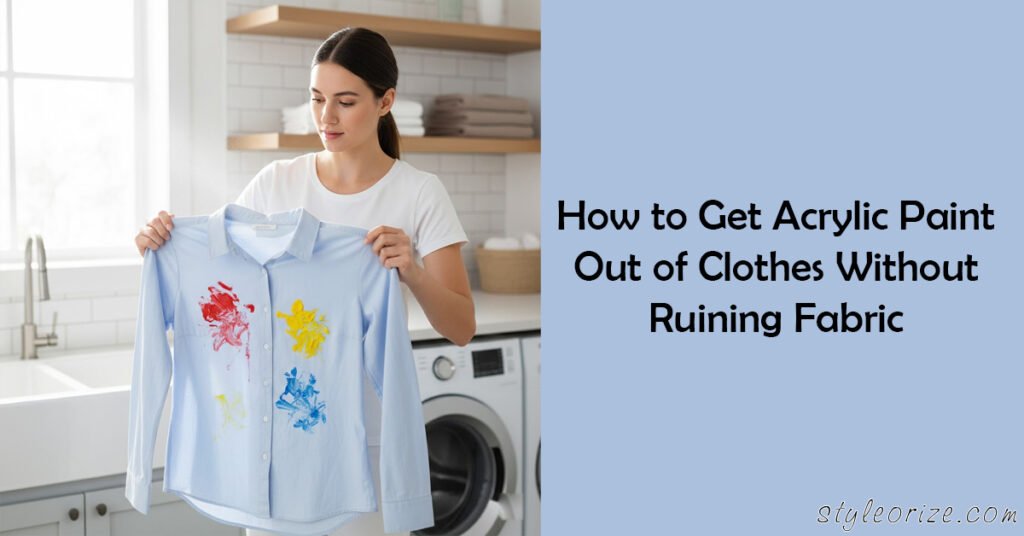
Acrylic paint is a favorite for artists, DIY lovers, and even kids, but one accidental splash can turn your favorite outfit into a disaster. The good news is that getting acrylic paint out of clothes is possible if you act smart and use the right method. Whether the paint is fresh or fully dried, the solution depends on timing, fabric type, and the tools you use. Let’s learn How to Get Acrylic Paint Out of Clothes
Before giving up on stained clothing, it’s worth trying proven techniques that actually work. With patience and the right approach, many garments can be saved without professional cleaning.
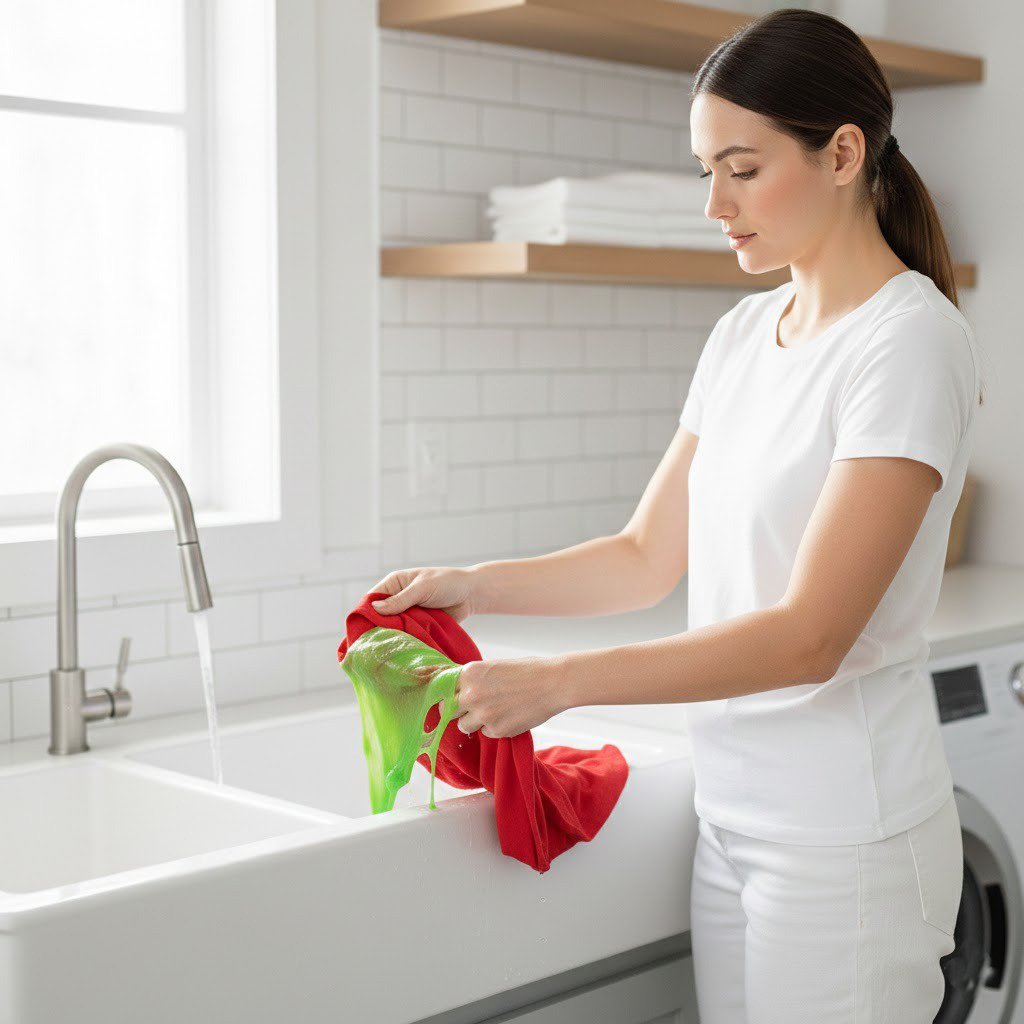
After understanding the basics, it helps to see how real-life cleaning situations look. Visual examples make it easier to follow the steps correctly and avoid common mistakes when treating paint stains.
The first image highlights a typical at-home scenario where immediate action can prevent permanent damage. It shows how early treatment can make a big difference in stain removal success.
Understand Acrylic Paint Before Cleaning
Acrylic paint is water-based when wet but becomes water-resistant once it dries. This unique property is what makes stain removal tricky. Acting quickly while the paint is still wet gives you the best chance of full removal.
Once dried, acrylic paint bonds with fabric fibers. Removing it then requires stronger methods and more patience, but it is still possible in many cases.
What to Do Immediately After a Spill
Blot, Do Not Rub
As soon as paint hits fabric, gently blot the area with a paper towel or cloth. Rubbing pushes paint deeper into fibers, making removal harder.
Lift as much excess paint as possible before it starts to dry. This simple step alone can prevent a permanent stain.
Rinse With Cold Water
Hold the stained area under cold running water from the back side of the fabric. This helps push paint out rather than deeper in.

Avoid hot water at this stage, as heat can set the stain permanently.
How to Get Acrylic Paint Out of Clothes When Wet
Use Liquid Dish Soap
Apply a few drops of liquid dish soap directly onto the stain. Gently massage it into the fabric using your fingers or a soft brush.
Rinse with cold water and repeat until the stain fades. This method works best on cotton and polyester fabrics.
Try Mild Laundry Detergent
Laundry detergent can be effective on fresh acrylic paint. Let it sit for a few minutes before rinsing thoroughly.
Check the stain before drying. Heat from dryers can lock in remaining paint.
Removing Dried Acrylic Paint From Clothes
Scrape Off Excess Paint
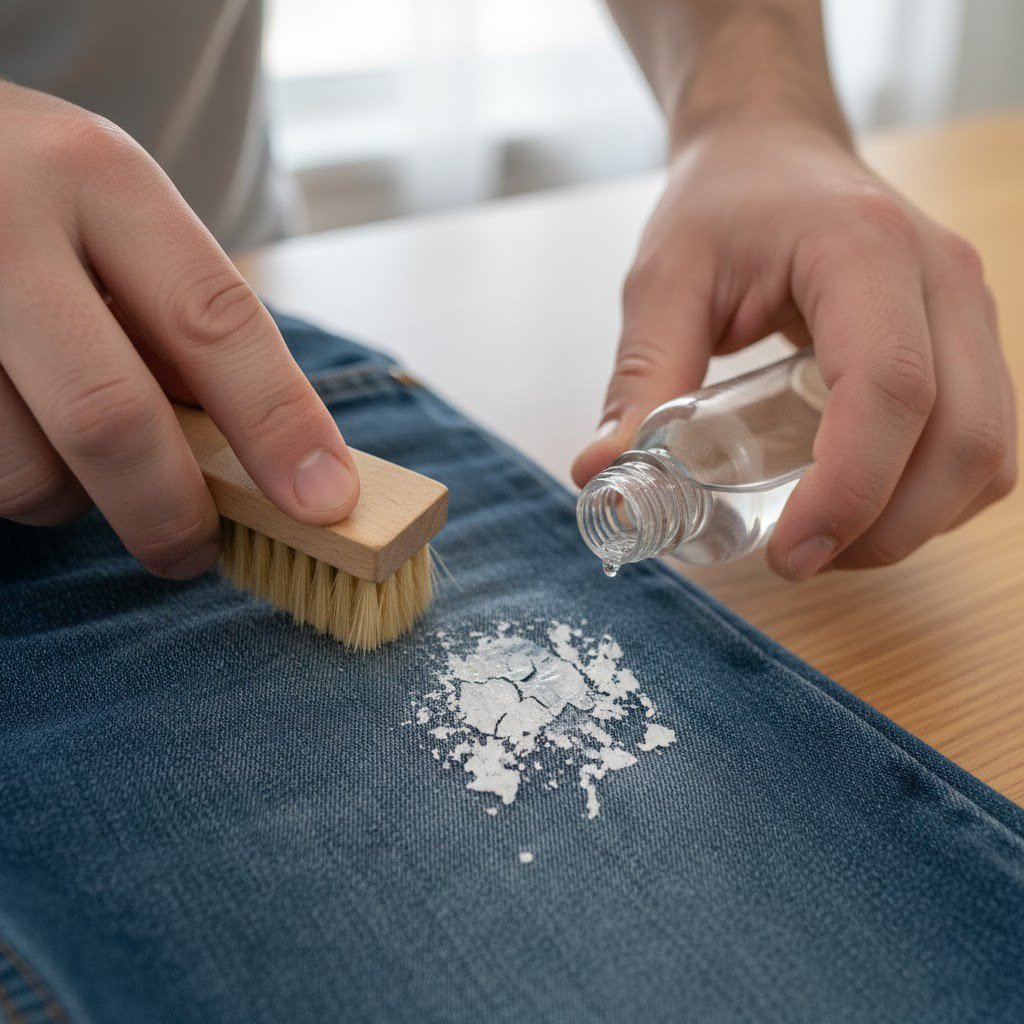
Once paint is dry, carefully scrape off as much as possible using a dull knife or spoon. Be gentle to avoid damaging the fabric.
This step makes the chemical treatment more effective by reducing surface paint.
Rubbing Alcohol Method
Apply rubbing alcohol to a clean cloth and dab the stain repeatedly. Alcohol helps break down dried acrylic paint.
Work from the outside of the stain inward to prevent spreading. Rinse thoroughly once paint begins to lift.
Use Acetone Carefully
Acetone can be effective on sturdy fabrics like denim. Test it on a hidden area first to ensure color safety.
Apply with a cotton ball and blot gently. Never use acetone on delicate fabrics like silk or acetate.
Fabric-Specific Cleaning Tips
Cotton and Denim
These durable fabrics handle alcohol and detergent well. Multiple treatments may be needed for older stains.
Avoid aggressive scrubbing, which can weaken fibers over time.
Synthetic Fabrics
Polyester and blends respond well to dish soap and alcohol. Always rinse thoroughly to prevent residue buildup.
Heat should be avoided until the stain is completely gone.
Delicate Fabrics
For silk, wool, or rayon, professional cleaning is often safest. Home treatments may cause damage or discoloration.
If attempting at home, use minimal liquid and gentle blotting only.
Common Mistakes to Avoid
One major mistake is using hot water too early. Heat causes acrylic paint to bond permanently with fabric fibers.
Another error is drying clothes before checking the stain. Even a faint mark can become permanent after drying.
Natural Alternatives for Light Stains
Vinegar Solution
White vinegar can help loosen light acrylic paint stains. Apply sparingly and blot gently.
This method works best on small, fresh stains rather than thick dried paint.
Baking Soda Paste
Mix baking soda with water to create a paste. Gently rub it onto the stain and rinse after a few minutes.
This option is mild and safer for lighter fabrics.

When to Repeat the Process
Some stains require multiple rounds of treatment. Allow the fabric to air dry between attempts to see progress clearly.
Patience is key. Rushing the process can damage clothing unnecessarily.
Can Acrylic Paint Always Be Removed?
Not all stains come out completely, especially if they have been heat-set or left untreated for long periods. However, many clothes can still look wearable after proper cleaning.
Even partial fading is often enough to make a garment usable again.
Preventing Future Paint Stains
Wear old clothes or aprons when painting. Keeping paper towels and water nearby helps handle spills quickly.
Prevention is easier than removal, especially when working with fast-drying acrylic paint.
Final Thoughts
Learning how to get acrylic paint out of clothes can save money, reduce waste, and extend the life of your wardrobe. The key is acting fast, choosing the right method, and understanding your fabric type.
With the techniques shared above, most paint accidents don’t have to mean ruined clothing. A calm approach and proper care can turn a frustrating spill into a manageable fix.