
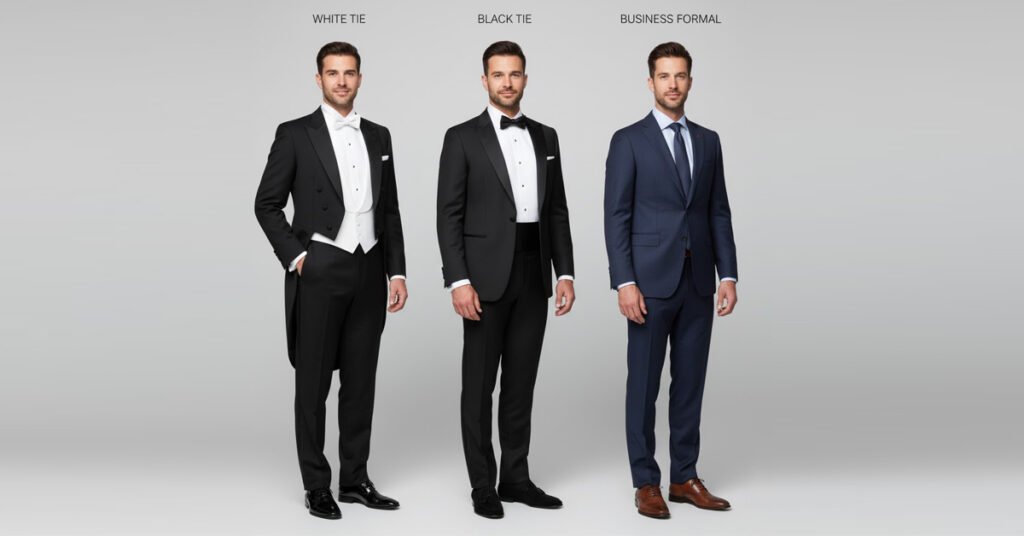
Navigating the world of men’s high fashion and formal attire can feel like learning a new language. A single line on an invitation, like “Black Tie,” can instantly raise a hundred questions, from the right kind of jacket to the proper shoe shine. Whether you’re attending a gala, a wedding, or a crucial business event, wearing the right formal clothes for men is about more than just looking good—it’s about showing respect for the occasion and establishing your personal brand. This comprehensive guide will demystify the rules, walk you through the essential garments, and ensure you step out in perfect style every time.
Knowing when to choose a classic suit versus a tuxedo is the first step in mastering formal wear. It’s a key distinction that separates the confident dresser from the confused guest. Below, we’ll break down the traditional categories of formal dressing and provide the practical, actionable advice you need to feel comfortable and look impeccable in any high-stakes environment.

The image above captures the timeless elegance of classic evening wear. Notice the sharp lines and the subtle sheen of the fabric—details that are paramount when discussing formal clothes for men. The essence of this look lies in its tailored fit, a non-negotiable aspect of all high-end formal dressing. Use this visual as your initial benchmark for the perfect silhouette and attention to detail as we proceed.
The Pillars of Formal Clothes for Men: Dress Codes Explained
Formal attire is often categorized into specific dress codes, each with its own set of strict rules and expectations. Getting the code right is the single most important rule of dressing formally. Ignoring it is a major sartorial misstep.
White Tie: The Pinnacle of Formality
White Tie, often called “Full Evening Dress,” is the most formal dress code achievable. It is reserved for the most important state dinners, royal events, or prestigious, traditional ceremonies. This is a very rare dress code today, but its rules remain absolute.
Your attire must consist of a black dress coat with tails, matching trousers with two satin stripes down the side, a white wing-collared shirt, a white low-cut waistcoat (vest), and a white, hand-tied bow tie made of marcella or piqué cotton. Black patent leather shoes are mandatory, and white gloves are a traditional, often optional, accessory. There is virtually no room for deviation; precision is the hallmark of this ultimate standard of formal clothes for men.
Black Tie: Evening Elegance Defined
Black Tie is the gold standard for formal evening events like galas, opera openings, and most formal weddings. It is less rigid than White Tie but still requires strict adherence to tradition. The core of this look is the tuxedo, or “dinner jacket” as it’s known in the UK.
A classic Black Tie ensemble includes a black or midnight-blue tuxedo jacket, which is distinguished by its satin lapels (peak or shawl style). The trousers must match and feature a single satin stripe down the outseam. It is paired with a formal white dress shirt—either a pleated or piqué bib front—a black bow tie (self-tied, never a clip-on!), and black patent leather or highly polished leather dress shoes. A cummerbund or a low-cut waistcoat is used to cover the waistband.
Black Tie Optional Attire for Men
An increasingly common dress code is “Black Tie Optional.” This designation gives the guest a choice: wear a full tuxedo, or opt for a conservative, dark suit. If you choose the suit, it must be impeccably tailored in a dark shade (charcoal gray or navy blue), paired with a white dress shirt and a conservative tie. Black leather shoes are essential. When in doubt, it’s always better to lean toward the tuxedo, as it honors the spirit of the event. However, a sharp dark suit is a perfectly acceptable and stylish alternative under this code.
The Essential Components of Formal Wear
While tuxedos are for black and white tie, the classic suit forms the bedrock of most other formal to semi-formal occasions, including business, cocktail parties, and less formal weddings. Understanding the components of a suit is crucial to building a versatile wardrobe of formal clothes for men.
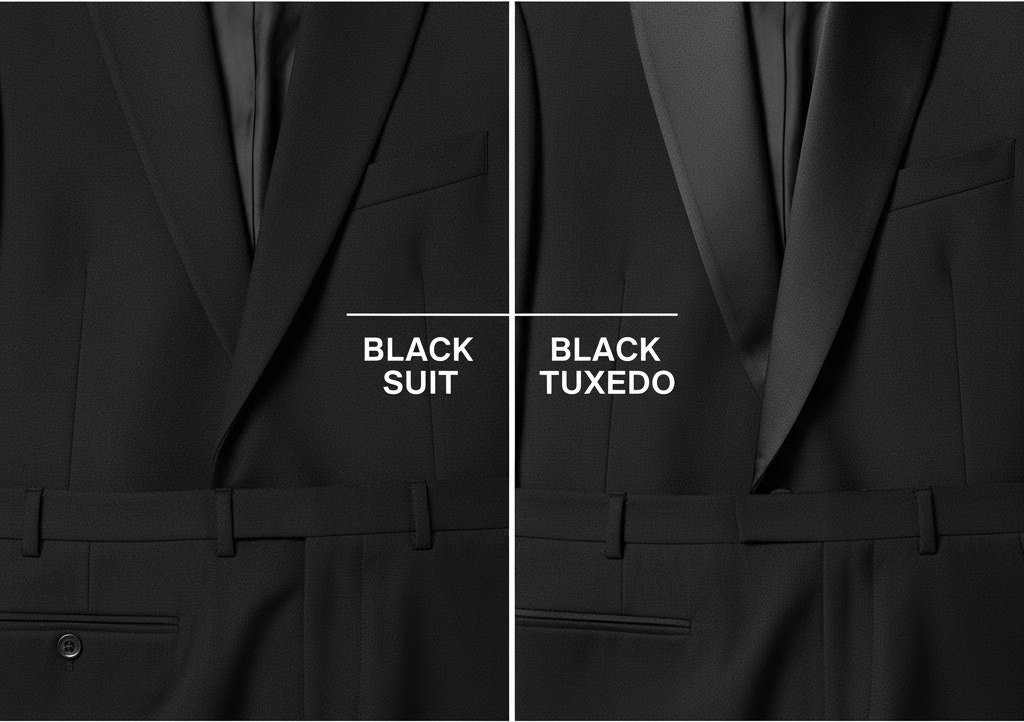
Tuxedo vs Suit for Wedding Guests: The Key Differences
For a wedding guest, deciding between a tuxedo and a suit depends entirely on the invitation. If the code is Black Tie, a tuxedo is expected. For “Formal” or “Cocktail,” a suit is correct.
| Feature | Tuxedo | Suit |
| Lapel Facing | Satin (peak, shawl, or notch) | Same fabric as the jacket |
| Trousers | Satin stripe down the side seam | No stripe |
| Buttons | Often satin-covered | Made of horn, plastic, or fabric |
| Shirt | Formal shirt (wing or spread collar, often with studs) | Any dress shirt (various collars) |
| Neckwear | Bow tie is traditional and preferred | Necktie or bow tie |
| Versatility | Strictly for formal evening events | Highly versatile: work, interviews, events |
The material difference is key: a tuxedo’s satin accents elevate it to a ceremonial garment that should only be worn after 6 PM, while a suit’s uniform fabric allows for day-to-day use.
Formal Dress Shirt Styles and Collars
The dress shirt is arguably the most important piece of inner formal wear, acting as the canvas for the rest of your outfit. Selecting the correct collar and cuff style is vital.
Collar Types
- Spread Collar: The most versatile option, where the points are “spread” apart. Works well with a tie knot of moderate size.
- Cutaway Collar: A more contemporary, aggressive version of the spread, where the collar points are cut away dramatically. Best for wide tie knots like the Windsor.
- Wing Collar: Reserved exclusively for White Tie and traditional Black Tie ensembles. The tips stand up, like a wing, to frame the bow tie.
Cuff Styles
- French Cuffs (Double Cuffs): The cuff folds back and is secured with cufflinks. This is the only acceptable cuff style for a tuxedo shirt and is highly recommended for any formal suit shirt.
- Barrel Cuffs (Button Cuffs): Secured with one or two buttons. While acceptable for a business suit, they are considered less formal than French cuffs.
💡 Practical Styling Tips for Formal Clothes for Men
The Importance of Fit and Tailoring
The difference between an average look and an incredible one is always the fit. A tailor is your most valuable asset in the world of formal clothes for men. A jacket should sit cleanly across your shoulders, the sleeves should expose a quarter-inch of your shirt cuff, and the trousers should have a slight break on your shoe. Avoid anything that feels baggy or too tight—a proper fit creates a long, lean, and powerful silhouette.
Fabric and Color Choices
For most formal wear, especially suits, stick to the classics: charcoal gray, navy blue, and black. These colors are universally appropriate and easy to pair with accessories. Wool is the traditional and best fabric choice; look for mid-weight wool for year-round comfort. For tuxedos, a fine worsted wool or even velvet (for a dinner jacket) in black or midnight blue are the best options.
Essential Accessories to Finish the Look
Accessories are the details that elevate your look.
- Shoes: Always wear black, polished leather shoes. Oxfords are the most formal. For Black Tie, patent leather is the traditional choice.
- Neckwear: A self-tied bow tie is a mark of sophistication for a tuxedo. For a suit, a silk tie in a subtle pattern or solid color is best. The tie knot should suit your collar type.
- Cufflinks: Choose elegant, understated cufflinks, especially with French-cuff shirts. Avoid novelty designs for formal events.
- Pocket Square: A white linen pocket square is the classic choice for a tuxedo, folded flat or with a single, sharp edge. For suits, the pocket square can add a pop of complementary color or pattern, but it should never perfectly match your tie.
🚀 Modern Formal Wear Trends
While tradition reigns in White Tie, modern rules for Black Tie and general formal attire allow for some personal expression.
- Color Tuxedos: Midnight blue has become a timeless alternative to black, appearing darker and richer under evening lights. Deep burgundy or forest green velvet dinner jackets are popular for festive or creative black-tie events, often paired with classic black tuxedo trousers.
- Patterned Accessories: With a suit, feel free to experiment with a subtle micro-check or pinstripe fabric. For ties and pocket squares, small patterns like paisley, polka dots, or geometric designs can add flair without breaking the formal mood.
Mastering formal clothes for men is a journey from basic suits to understanding nuanced dress codes. By focusing on an impeccable fit, respecting the event’s formality level, and paying attention to small, quality details like your shirt and accessories, you can achieve a look that is both classically elegant and confidently modern. This foundation ensures you are not just dressed for the occasion, but that you own it.