
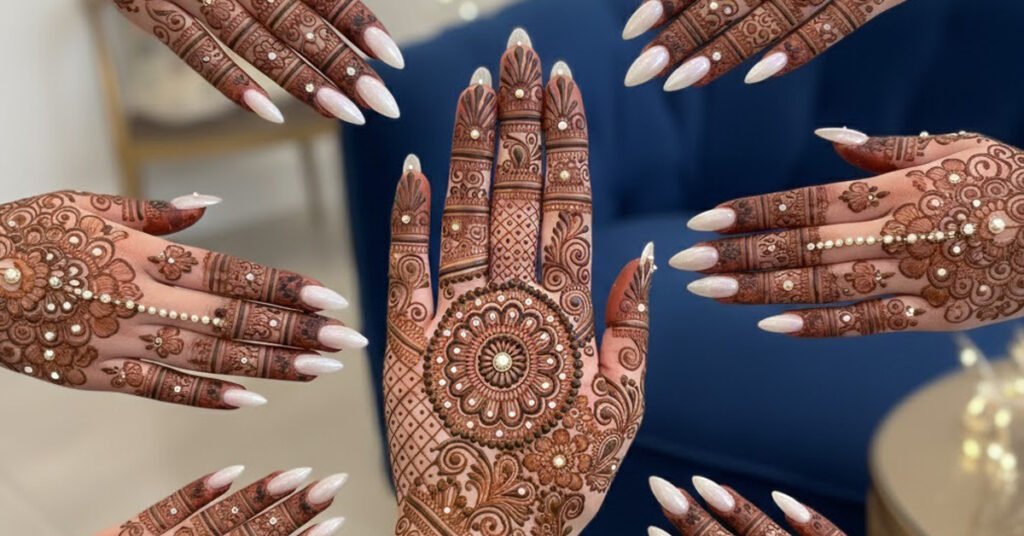
Choosing a finger-focused design is a bold stylistic move. In the past, heavy, full-hand designs were the standard for “royalty,” but modern royalty is often defined by “less is more.” A royal finger mehndi design provides a sophisticated balance. It allows the wearer to showcase their jewelry—like engagement rings or stacked bands—without the henna pattern clashing or overshadowing the gems.
Furthermore, these designs are incredibly photogenic. In the age of social media, “hand-fies” and ring shots are essential. A well-executed finger pattern frames the hand perfectly, making it look elongated and graceful. It’s a choice that reflects a person who appreciates the finer details and understands that sometimes, the smallest canvas offers the most room for creativity.
Trending Styles of Royal Finger Mehndi Designs
The world of mehndi is vast, but several specific styles have risen to the top of the “royal” category. Let’s break down the most popular aesthetics currently dominating the scene.
1. The Intricate Jaali (Lace) Pattern
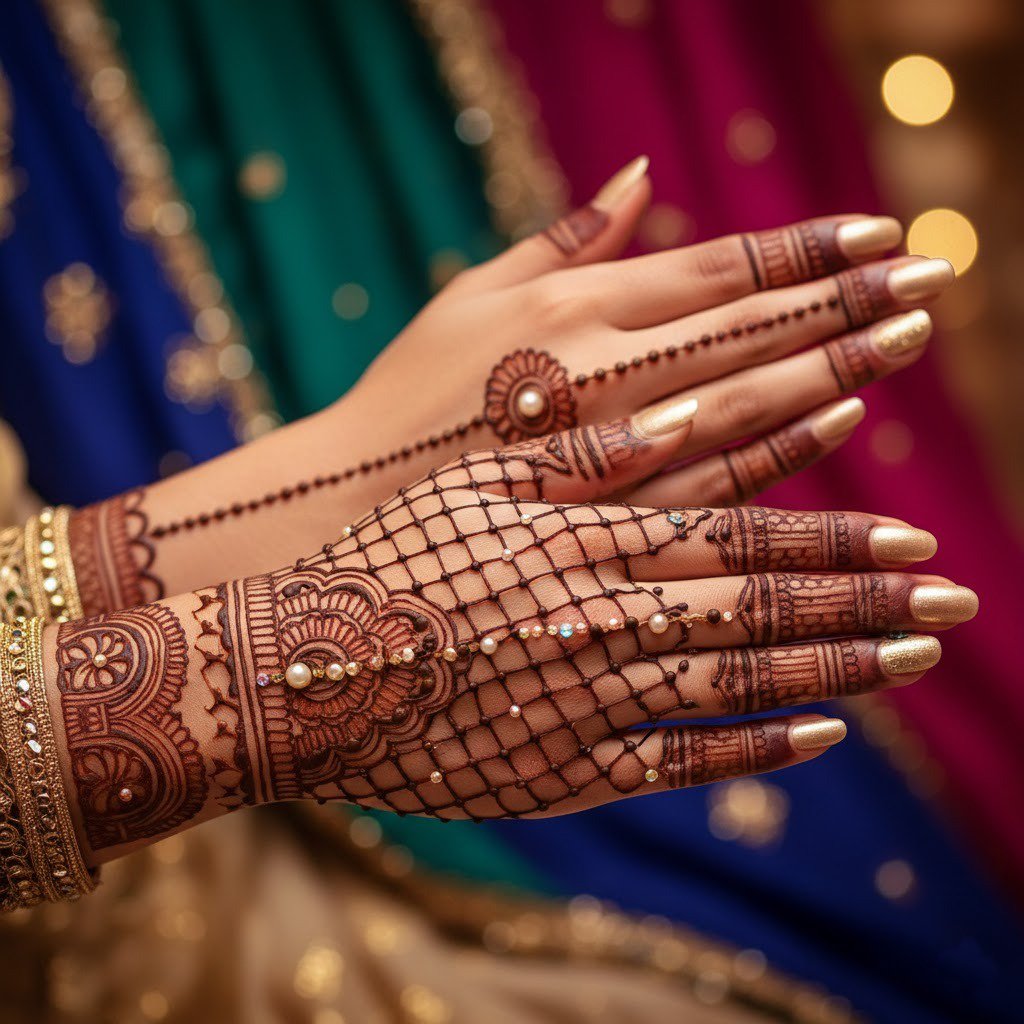
The Jaali or “net” design is perhaps the most iconic royal look. It involves creating a delicate grid or mesh pattern on the fingers, often punctuated with tiny dots or floral motifs at the intersections. This style mimics the expensive lace fabrics found in royal wardrobes and provides a textured, three-dimensional look to the fingers.
2. The Moroccan Geometric Influence
Moroccan mehndi is famous for its bold lines and geometric shapes. When applied to the fingers, this style uses diamonds, triangles, and parallel lines to create a structured, architectural look. It is perfect for those who want a royal feel but prefer a cleaner, more contemporary vibe over traditional floral swirls.
3. The Minimalist Ring Style
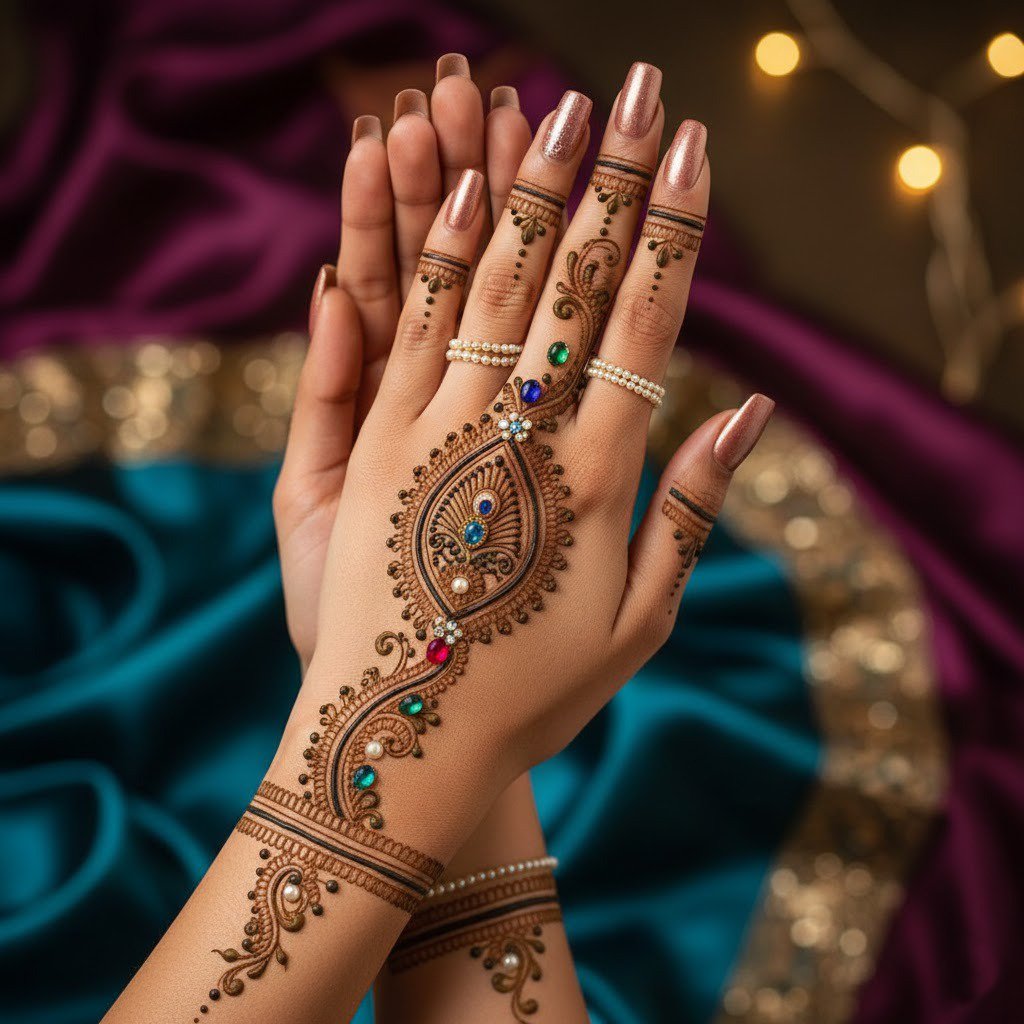
For a look that is truly “regal and refined,” the ring style focuses on decorating only certain sections of the fingers to mimic jewelry. You might have a thick “band” of henna on the middle finger and delicate “chains” on the others. This creates an illusion of wearing permanent, intricate gold filigree.
The Art of Symmetry and Balance
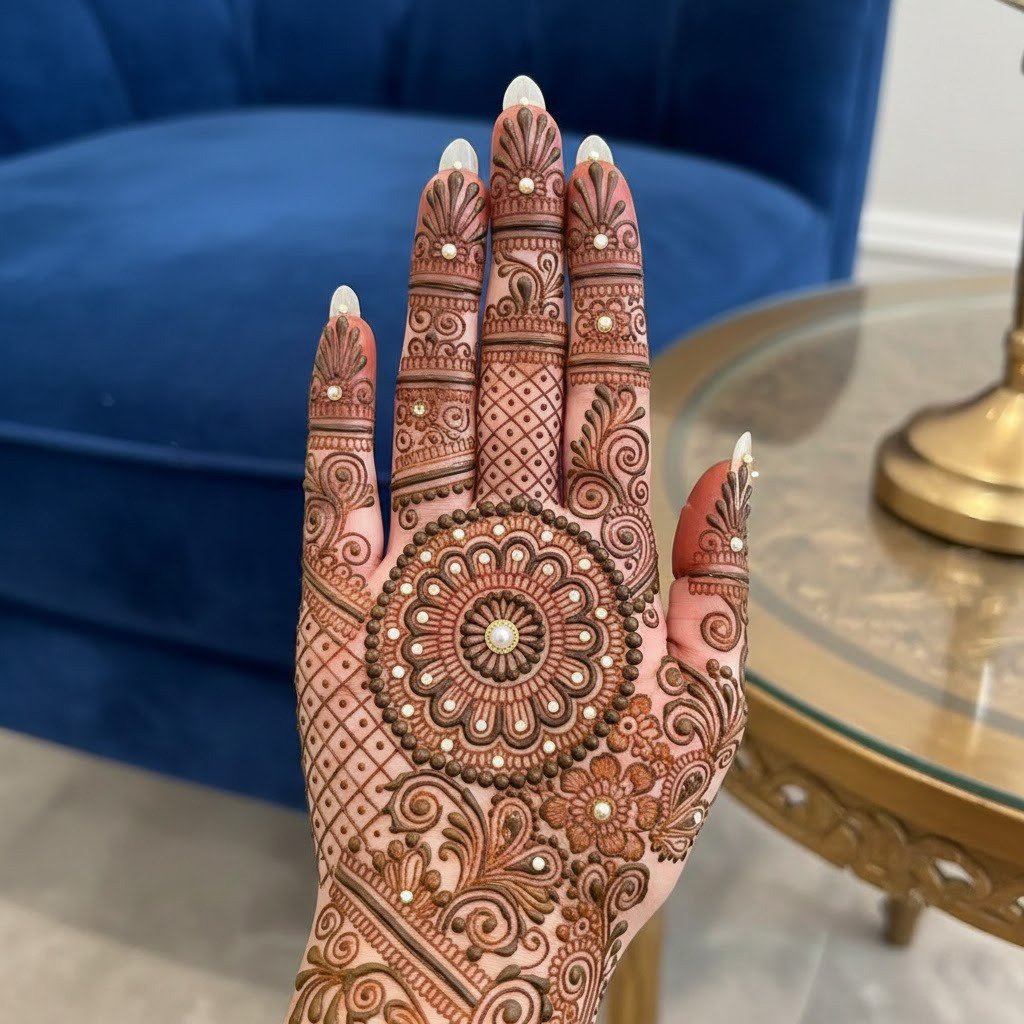
When working with a royal finger mehndi design, symmetry is your best friend. A hallmark of “royal” aesthetics across cultures is balance. If you choose a heavy design for the index finger, you might want to mirror that on the pinky or keep the middle fingers slightly more subtle to create a visual “v” shape.
Professional artists often use the natural creases of the joints as guides. By placing specific motifs—like a tiny lotus or a sunburst—exactly on the knuckles, the design remains cohesive even when the hand is moving. This attention to detail is what separates a standard design from a truly royal one.
Tips for Achieving Perfect Symmetry
- Plan the Centerpiece: Decide which finger will have the most complex design. Usually, this is the ring finger or index finger.
- Spacing is Key: Leave enough “negative space” (skin showing) so the patterns don’t bleed into each other as the henna matures.
- Consistency in Pressure: Ensure the thickness of the lines is consistent across all ten fingers to maintain a professional look.
Bridal Royalty: Finger Designs for the Modern Bride
For a bride, the mehndi is more than just decor; it’s a blessing. However, many 2026 brides are opting out of the traditional “arm-length” designs in favor of elaborate finger work paired with a simple mandala on the palm.
A bridal royal finger mehndi design often incorporates elements like the “Taj Mahal” silhouettes, tiny peacocks, or the couple’s initials hidden within the lace of the finger patterns. The key here is density. While a guest might go for thin lines, a bride’s finger henna is often dense and dark, ensuring it stands out against her heavy bridal attire.
Complementing Your Bridal Jewelry
If you are wearing a “Haath Phool” (hand harness), your mehndi should complement it, not fight it. A royal design will leave the space where the jewelry sits clear, while decorating the tips of the fingers and the wrist to create a seamless flow between the metal and the henna.
How to Care for Your Royal Finger Mehndi
To ensure your design looks its best, the aftercare is just as important as the application. Because finger designs are often more intricate with thinner lines, they can fade faster if not treated properly.
- Avoid Water: Keep the paste on for at least 6–8 hours. Avoid washing your hands with soap for the first 24 hours.
- The Sugar-Lemon Seal: Once the henna starts to dry, dab a mixture of lemon juice and sugar on it. This keeps the paste stuck to the skin longer, allowing for a deeper stain.
- Natural Oils: Once the crust is removed, apply eucalyptus oil or mustard oil. This helps in darkening the color to a deep mahogany.
Frequently Asked Questions
How long does it take to apply a royal finger mehndi design?
Depending on the complexity, a full set of fingers can take anywhere from 30 minutes to over an hour. If the design includes intricate Jaali work, expect it to take longer.
Can I do these designs at home?
While some minimalist styles are beginner-friendly, the “royal” look usually requires a steady hand and a fine-tipped cone. If you are practicing, start with simple bands and gradually work your way up to complex grids.
Conclusion
The royal finger mehndi design is a testament to the fact that elegance lies in the details. By focusing on the fingers, you create an air of sophistication and mystery that traditional full-hand designs sometimes lack. Whether you choose the geometric precision of Moroccan art or the delicate lace of Indian bridal styles, your hands will undoubtedly be the center of attention.
Remember, the best mehndi is the one that reflects your personal style. Don’t be afraid to mix and match elements from different traditions to create a look that is uniquely yours.
Pingback: Upper Hand Mehndi Designs: 10 Stunning Trends for 2026