The world of infant clothing is vast, but perhaps no item is as deceptively simple—and frustratingly critical—as the humble baby sock. These tiny accessories do more than just complete an adorable outfit; they are essential tools for temperature regulation, foot protection, and even crucial elements in a child’s early developmental stages. Every parent has faced the universal struggle of a sock that simply refuses to stay put. This comprehensive guide will walk you through the journey of choosing the perfect pair of socks for your little one, ensuring their feet are cozy, safe, and ready for every milestone, from the first wiggle to the first wobbly step.
The selection of a sock depends entirely on your baby’s age, activity level, and the environment they are in. As your child transitions from a stationary newborn to a crawling adventurer, their needs evolve, and so too must their tiny wardrobe. From ultra-soft, gentle materials for delicate newborn skin to durable, high-traction grips for toddlers navigating smooth floors, choosing the right baby socks can eliminate frustration and enhance your child’s comfort and safety throughout their first few years.
The Science of Small Feet: Why Baby Socks are Essential
A baby’s body is still learning how to regulate temperature, especially in the extremities. Because newborns have immature circulatory systems, their hands and feet often feel cold to the touch, even if their core temperature is fine. This is why keeping their feet covered and insulated is so important, particularly in the first few months. The right baby sock acts as a crucial thermal layer, helping to keep their entire body temperature stable.
Protecting Sensitive Skin and Delicate Feet
Beyond warmth, socks provide a protective barrier. They guard the thin, delicate skin on a baby’s feet against friction from rough bedding or clothing. For older babies, they protect against minor scrapes and splinters as they explore their environment. Since a baby’s foot bones are mostly soft cartilage, it’s essential that the sock fits well—neither too tight, which can restrict circulation and proper development, nor too loose, which will simply slip off.
The Constant Challenge: Finding the Best Baby Socks That Stay On
The biggest complaint among parents is the Houdini-like ability of a sock to vanish, leaving one tiny foot exposed. The key to finding the best baby socks that stay on lies in a combination of design and material. Look for features such as:
- Elasticized Cuffs: A gentle but firm band around the ankle helps keep the sock up without digging into the skin. Cuffs with extra stretch or a rolled design are often the most effective.
- Y-Heel Pockets: A sock with a deep, structured heel that is sewn in a ‘Y’ shape is designed to cup the heel and prevent the sock from twisting or sliding down into the shoe or under the foot.
- Spandex/Elastane Blend: A small percentage of stretch material (often 2-5%) ensures the sock maintains its shape and recovery after being stretched over a little foot and after repeated washing.

Choosing the Right Material for Comfort and Safety
The material is paramount, as it directly impacts breathability, feel, and suitability for sensitive skin. You want fabrics that are soft, non-irritating, and capable of managing moisture.
Organic Cotton and Bamboo
For newborns and infants with sensitive or eczema-prone skin, prioritizing natural, hypoallergenic fibers is best. Organic cotton baby socks for sensitive skin are a top choice because they are ultra-soft, breathable, and grown without harsh chemicals. Bamboo is another excellent, increasingly popular option. It is naturally antibacterial, incredibly soft (often described as softer than cotton), and highly breathable, making it superb for preventing overheating.
Wool and Blends for Temperature Control
While pure wool can be itchy, high-quality merino wool blends offer exceptional thermal properties. They wick moisture away from the skin (preventing the clammy feeling) and regulate temperature effectively. These are excellent for winter but also surprisingly good for keeping feet cool and dry in milder weather. Synthetic blends (with polyester or nylon) are generally used to enhance durability and elasticity but should be balanced with natural fibers for breathability.
From Wiggle to Walk: Socks for Every Developmental Stage
A baby’s needs change dramatically once they start exploring. The socks that kept a newborn cozy are not the same ones that will keep a toddler safe.
Newborn (0–6 Months): Focus on Warmth and Softness
At this stage, the primary function is warmth and protection. Socks should be loose-fitting, non-restrictive, and made from the softest materials like organic cotton. The socks should easily slide on and off but should have a slightly ribbed cuff to prevent them from slipping off accidentally. Booties that cover the ankle and lower calf can also be a great choice for maximum stay-on power.
Crawlers (6–12+ Months): Non-Slip Baby Socks for Crawling
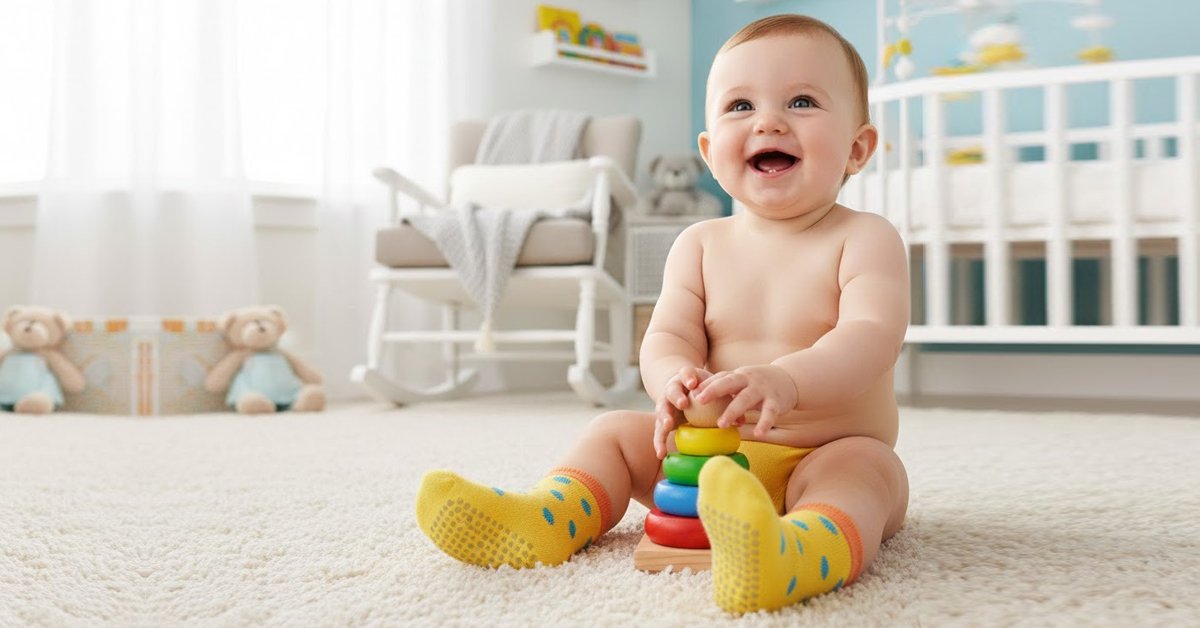
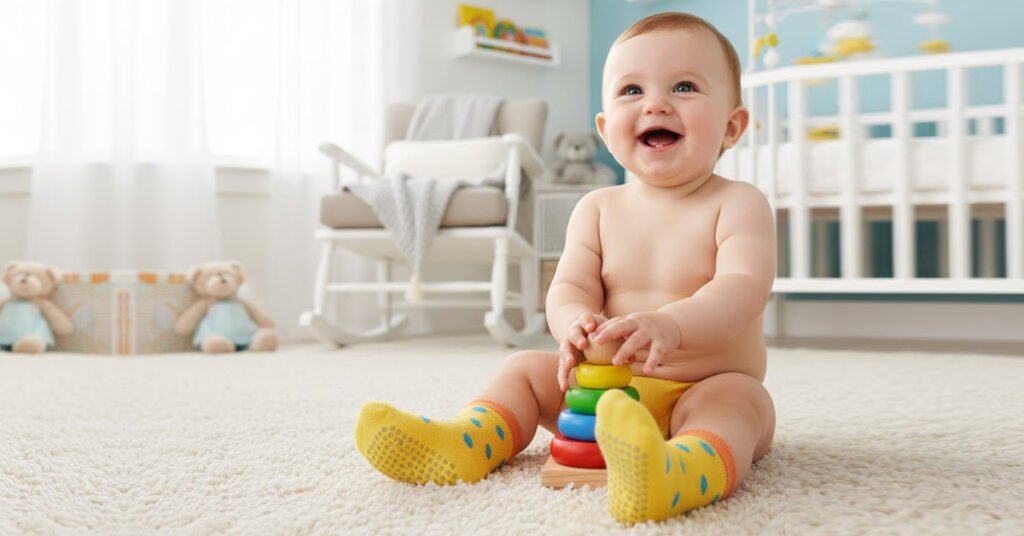
Once your baby is actively sitting, scooting, and crawling, friction and traction become major safety concerns. This is the stage when you must introduce specialized footwear. Non-slip baby socks for crawling are an essential item.
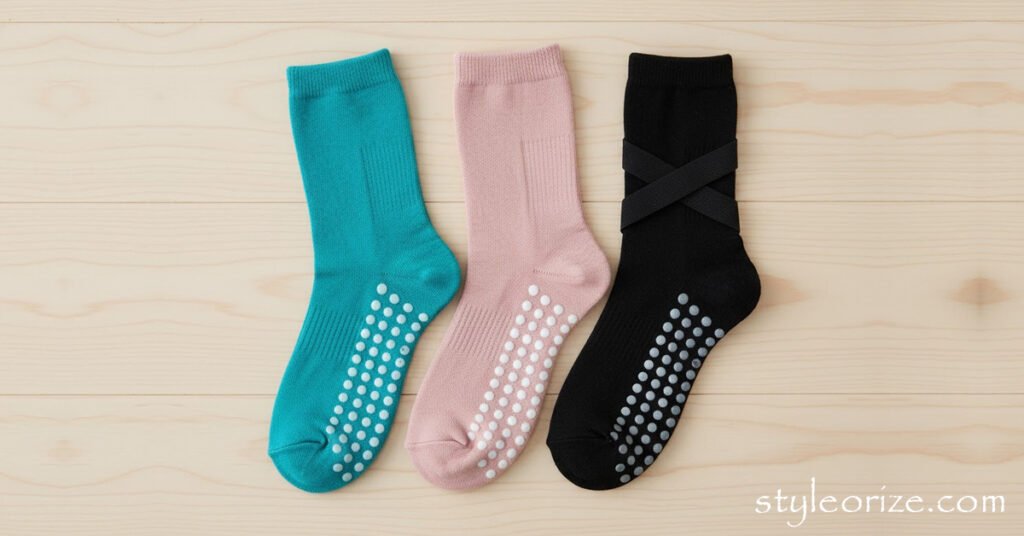
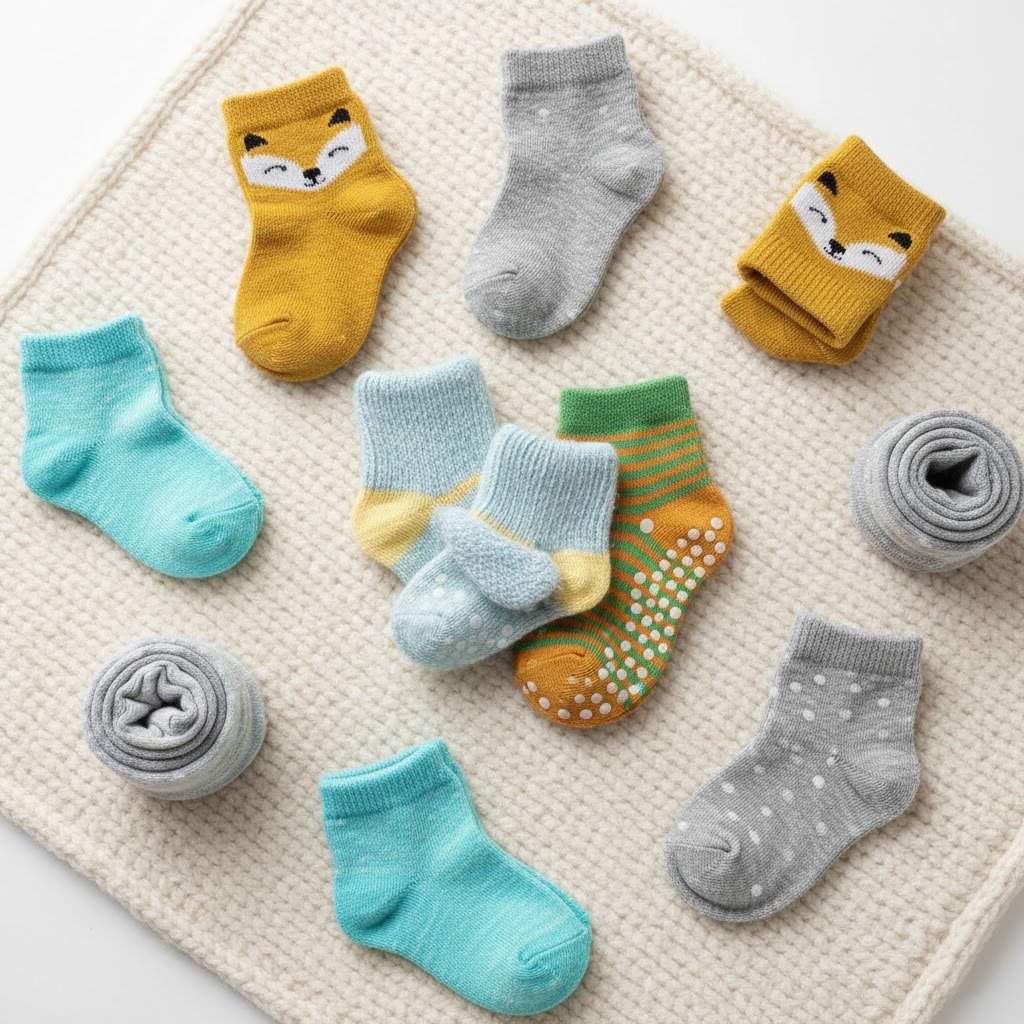
These socks feature rubber or silicone grips, often called “ABS” (Anti-Blockier System) dots, strategically placed on the sole. These grips prevent the little one from slipping on hard surfaces like wood, laminate, or tile. For active crawlers, some designs even include grips over the top of the foot and toes, providing traction when they push off the floor with their feet underneath them. These socks encourage confidence in movement while protecting them from falls.
Toddlers (12+ Months): Cushioning and Durability
Once your child is walking, running, and jumping, durability becomes a key factor. Toddler socks need more cushioning in the sole to absorb impact. They should still feature anti-slip grips, as toddlers are constantly moving and susceptible to falls. Look for reinforced heels and toes, which are the first areas to wear out from constant friction inside shoes. Crew or ankle-height socks are generally the most practical choice for everyday shoes and playtime.
A Practical Guide to Sizing and Care
Choosing the right size is arguably more important than the brand. A sock that is too big will bunch up and cause friction, leading to blisters or bunching in shoes. A sock that is too small can restrict toe movement and circulation, potentially impacting healthy foot development.
Sizing Tips for Baby Socks
- Check the Label: Most reputable brands offer sizing based on age range (e.g., 0-6 months, 6-12 months). Use these as a guide, but remember that feet grow in spurts.
- The Thumb Test: The best way to check the fit is to push your thumb down near the end of your baby’s longest toe. There should be a small amount of space—no more than the width of your thumb—between the toe and the tip of the sock. If it’s tight or much larger, adjust the size.
- The Ankle Check: Ensure the cuff is snug enough to stay up but loose enough that it doesn’t leave deep, red indentations on your baby’s ankle after being worn for a while.
Cleaning and Maintenance
Baby clothes require frequent washing, and socks are no exception. Always wash baby socks inside a garment bag to prevent them from getting lost in the machine. Wash in cold or warm water on a gentle cycle, and use baby-safe, mild detergent to protect sensitive skin. Tumble dry on low heat or, ideally, air dry to preserve the integrity of the elastic and non-slip grips.
The decision to invest in high-quality baby socks is a decision to invest in your child’s comfort, safety, and early motor development. By choosing the correct material, fit, and style for their age, you can ensure their little feet are perfectly protected for every stage of their incredible journey.