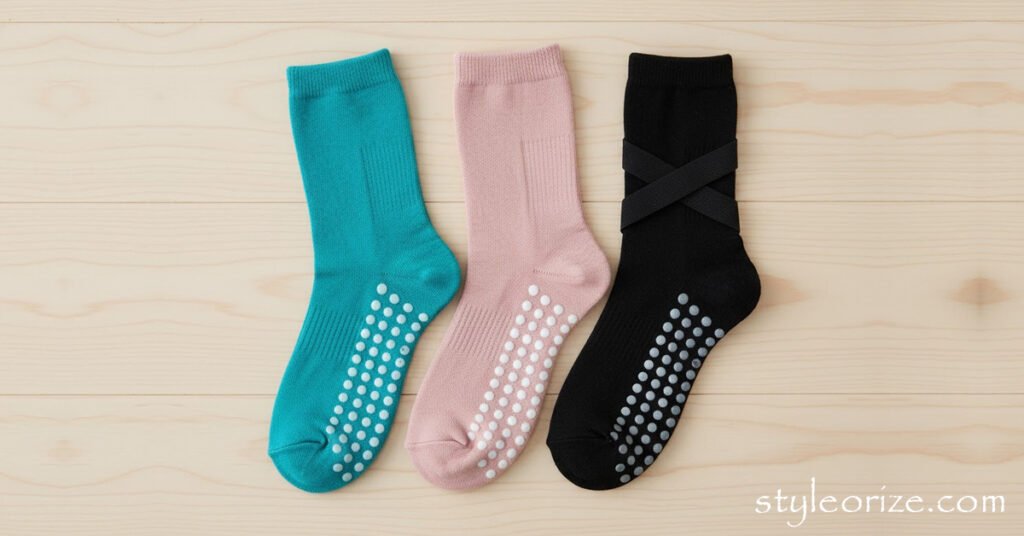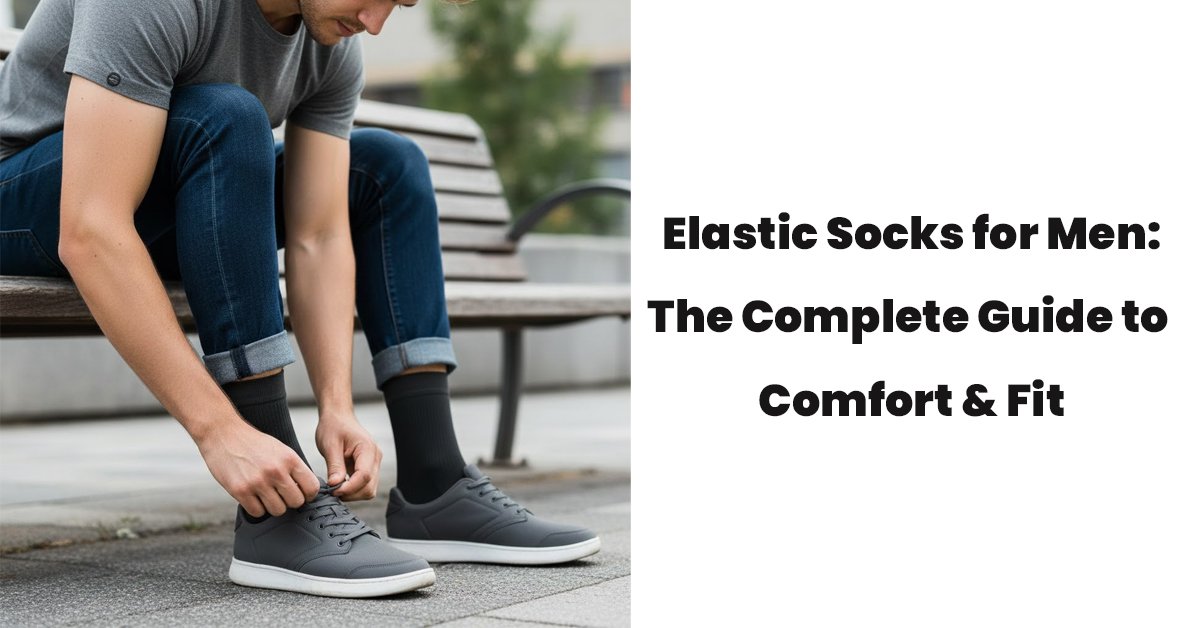
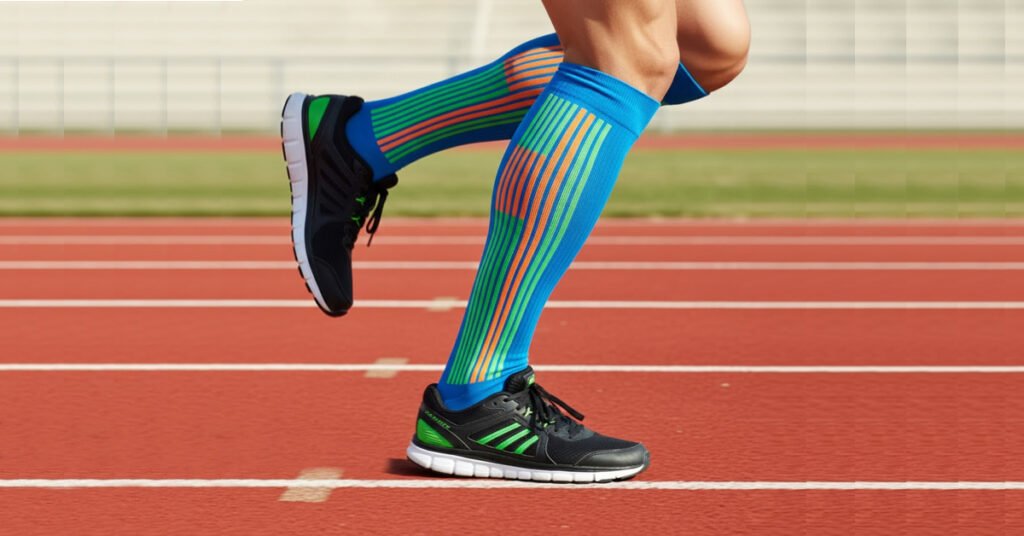
For too long, compression socks for men have been relegated to the realm of medical necessity or niche athletic gear. This perception, however, overlooks their profound benefits for general health, daily comfort, and professional performance. Whether you spend your day standing on a concrete floor, sitting at a desk, or training for your next marathon, these specialized garments offer far more than just a snug fit. They are a powerful, non-invasive tool designed to actively support your circulation, reduce fatigue, and provide a critical edge in both health and activity.
The evolution of compression technology means that today’s socks are engineered with superior fabrics, a graduated pressure profile, and a sophisticated aesthetic. Gone are the days of thick, unsightly hosiery. Modern designs seamlessly integrate into a man’s professional or casual wardrobe, making the choice to wear them an easy one. Understanding how these socks work and which ones are right for your lifestyle is the first step toward unlocking fresher, less-fatigued legs at the end of every day.
Understanding the Mechanism: How Compression Works
The core principle behind compression socks for men is graduated pressure. This means the socks are tightest at the ankle and gradually decrease in pressure as they move up the calf toward the knee. This mechanism provides a gentle but firm squeeze to the leg tissues, which in turn helps surface veins push deoxygenated blood back toward the heart.
The Circulatory Advantage
Gravity is constantly pulling blood down, which can lead to pooling and sluggish circulation in the lower legs. This pooling is what causes swelling (edema) and that heavy, tired feeling. Compression socks counteract this force by boosting venous return. By actively assisting your body’s circulatory system, they reduce the pressure in the veins, which is key to preventing conditions like varicose and spider veins.
Reduced Fatigue and Muscle Soreness
For athletes, the benefit extends beyond circulation. Compression socks for men help stabilize muscles during exercise, reducing muscle oscillation (vibration) caused by impact. Less vibration means less micro-trauma and faster recovery. Even for non-athletes, this muscle support translates to less fatigue when standing or walking for extended periods, making them indispensable for many professions.
The Right Pressure: Choosing the Right mmHg for Men
Compression pressure is measured in millimeters of mercury (mmHg), the same unit used for blood pressure. Selecting the correct level is crucial for ensuring comfort and achieving the intended health benefits.
Mild and Moderate Compression (8-15 mmHg and 15-20 mmHg)
These are the most common over-the-counter levels and are ideal for everyday use. Mild compression (8-15 mmHg) is perfect for long days of standing or sitting, relieving minor aches, and providing light support. Moderate compression (15-20 mmHg) is the go-to for most men, often recommended for travel, preventing DVT on long flights, managing mild swelling, and use as compression socks men’s daily wear. This level strikes an excellent balance between therapeutic benefits and all-day comfort.
Firm and Extra-Firm Compression (20-30 mmHg and 30+ mmHg)
Higher compression levels are typically considered “medical grade” and are often recommended by a doctor. Firm compression (20-30 mmHg) is used for treating moderate to severe varicose veins, post-operative recovery, and managing moderate edema. Levels above 30 mmHg (extra-firm) are reserved for severe conditions like deep vein thrombosis (DVT) or lymphedema and should only be worn under a physician’s guidance and with professional fitting.
Lifestyle Benefits: Where Compression Socks Shine
The versatility of compression socks for men means they have a place in nearly every aspect of a man’s life, from the gym to the boardroom.
Compression Socks for the Modern Professional
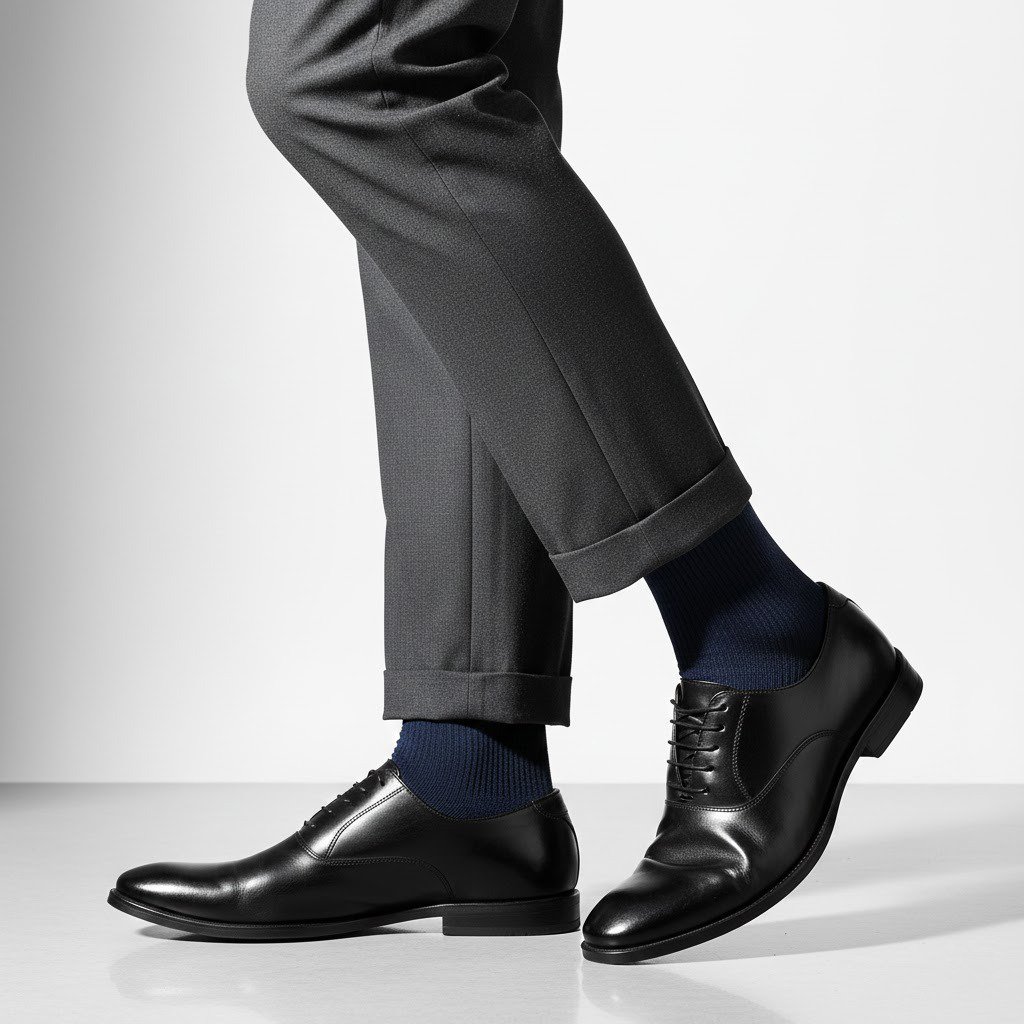
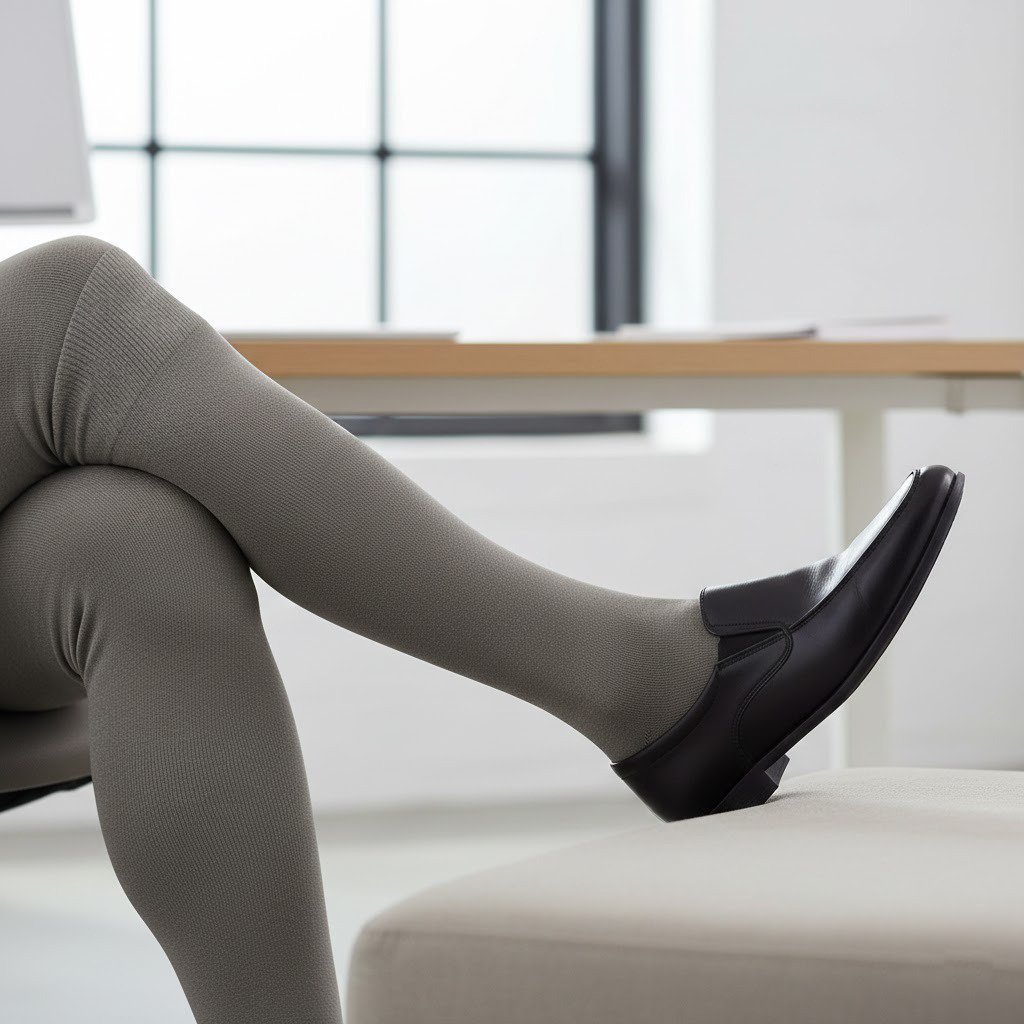
For men who are either desk-bound or constantly on their feet (e.g., surgeons, teachers, retail workers), compression socks are a simple health intervention. Sitting for hours can lead to blood pooling, while standing causes gravitational strain. Wearing them daily can eliminate that heavy, throbbing sensation in the lower legs and ankles that typically sets in by mid-afternoon. Choose neutral colors like black, navy, or charcoal for a seamless blend with business casual or formal attire.
Essential Travel Gear: Best Compression Socks for Men’s Travel
Long flights and road trips are notorious for causing leg swelling and increasing the risk of DVT. This makes compression socks for men’s travel a non-negotiable item. The 15-20 mmHg range is generally considered the best compression socks for men’s travel because it offers significant circulatory support without being overly difficult to put on in cramped spaces. Always don your socks before the swelling begins—ideally right after waking up in the morning.
Maximizing Athletic Performance and Recovery
Whether you’re a serious runner, cross-fitter, or a weekend warrior, athletic compression socks boost performance by increasing oxygen delivery to muscles. Worn during a workout, they reduce muscle movement and improve proprioception (the awareness of your body in space). Crucially, wearing them after a workout speeds up the removal of metabolic waste like lactic acid, significantly reducing Delayed Onset Muscle Soreness (DOMS) and accelerating recovery time.
Fit and Care: Maximizing Longevity and Comfort
To realize the full benefit of compression socks for men, fit must be perfect. Improperly sized socks can be uncomfortable, or worse, restrict blood flow, defeating their purpose.
The Importance of Accurate Sizing
Compression socks are sized based on leg measurements, not just shoe size. For the best fit, you should measure the circumference of your ankle (at the narrowest point) and your calf (at the widest point), as well as the length from your heel to the bend of your knee. Always measure first thing in the morning before any daily swelling occurs. Consult the manufacturer’s specific sizing chart, as sizes can vary between brands.
Tips for Putting Them On
Due to their tight nature, putting on compression socks can be challenging. The easiest method is to turn the sock inside out up to the heel pocket, place your foot in, and then gradually roll the sock up your leg, smoothing out any wrinkles as you go. Never bunch the sock up and pull, as this can damage the fibers and create uneven pressure points.
Maintenance for Extended Wear
To preserve the elasticity and therapeutic compression level, wash your socks by hand or on a gentle machine cycle in cold water. Crucially, avoid bleach and fabric softeners, as these chemicals can break down the spandex and elastic fibers. Air drying is always recommended over machine drying to maintain the sock’s original shape and compression strength over time. By following these care steps, you ensure your essential gear remains effective, allowing you to enjoy fresher, more energetic legs every single day.